
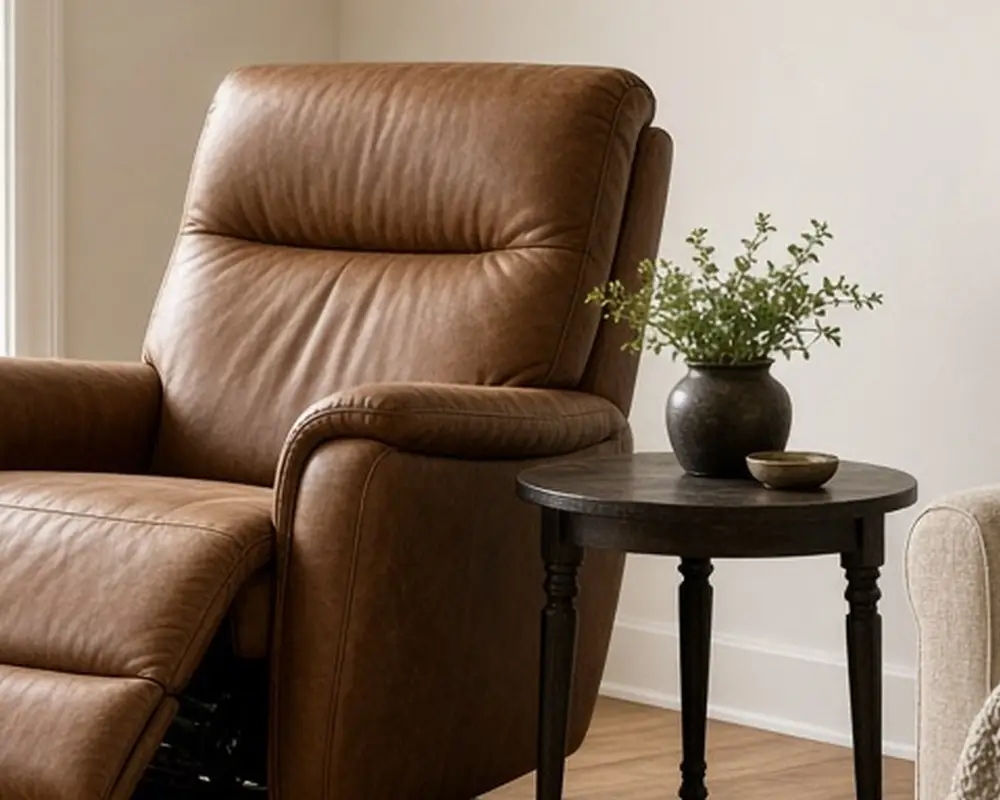
8 Living Rooms Planned Around a Recliner

On this page10 sections
- Measure the full recline, not the upright chair
- Angle it toward the room, not just the TV
- A reading corner by the window
- Reclining sofa placement in a small room
- Pair a recliner with a lighter chair
- Disguise the bulk with color and texture
- Power and cords
- A comfortable living room layout for everyone
- Tips Before You Start
- FAQ
A recliner is often the most used seat in the house and the least planned one. It arrives, gets pushed into whatever corner is free, and then everything else works around it awkwardly. The footrest hits the coffee table. The back bumps the wall. The chair faces the TV but not the people. It becomes the seat everyone loves and the piece nobody likes looking at.
It does not have to be that way. If you plan the room around the recliner from the start, giving it the space it needs and the position it deserves, it can be the anchor of a comfortable living room. The eight plans below cover clearances, placement, and styling. If your recliner is part of a sectional, the L-shaped sofa layouts post covers the bigger shape.
As an Amazon Associate I earn from qualifying purchases.
1. Measure the full recline, not the upright chair
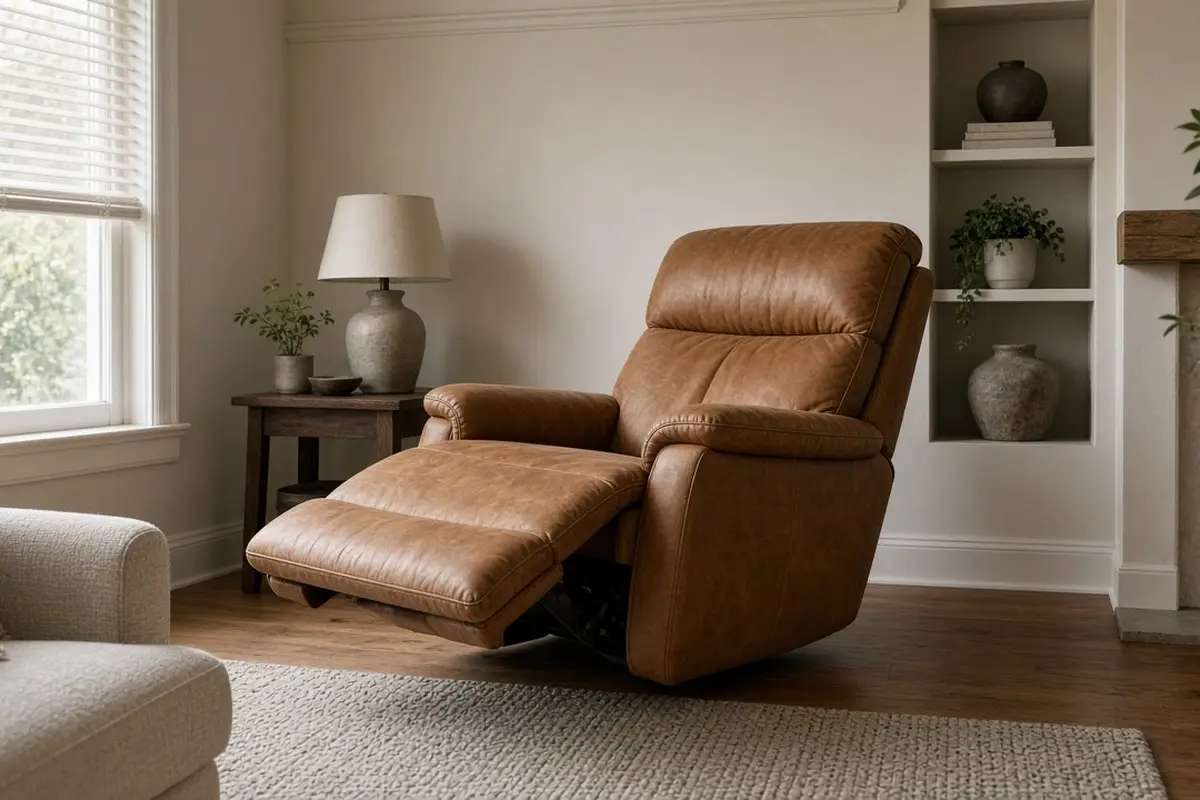
The first rule of a recliner living room is to measure it reclined. A chair that is 38 inches deep upright can stretch to 65 inches or more fully back with the footrest out. That is nearly double. Most layout mistakes come from planning for the upright size.
Lay the chair fully back and measure from the back of the headrest to the end of the footrest. Then measure the wall clearance for a recliner, which is how far the back moves when it tips. A standard recliner needs 12 to 18 inches behind it. A wall-hugger recliner needs only 4 to 6 inches, because the seat slides forward instead of the back tipping. If your room is small, a wall-hugger is the single best choice you can make.
Mark the full reclined footprint on the floor with painter’s tape. Walk around it. If you have to step over the tape on the way to the kitchen, the chair is in the wrong spot. Move the tape until the path is clear, and only then move the chair. It takes ten minutes and saves weeks of stubbed toes.
Get the look

2. Angle it toward the room, not just the TV
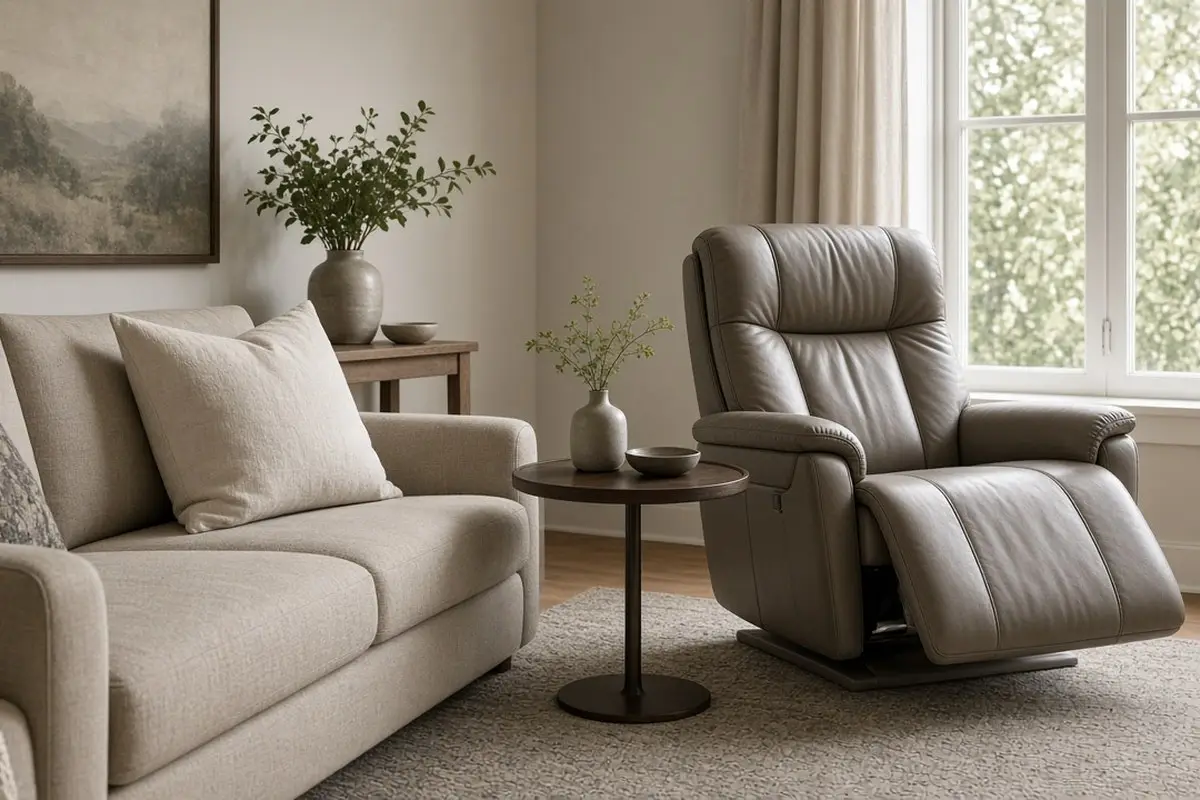
Most recliners end up pointed straight at the TV. That works for films and fails for everything else. When someone sits there, they turn their back to anyone on the sofa. A better plan is to angle the recliner about 30 to 45 degrees, so it sees both the TV and the conversation area.
An angled chair also softens the room. Straight lines everywhere make a living room look like a waiting area. One piece set on a diagonal adds movement. Put the angled recliner at the end of the sofa, forming a loose L, and a small round side table in the gap between them. Both people can reach it, and the table hides the gap that angles create.
Check the footrest path again after angling. It should land on open floor, not on the edge of a rug where it can catch.

3. A reading corner by the window
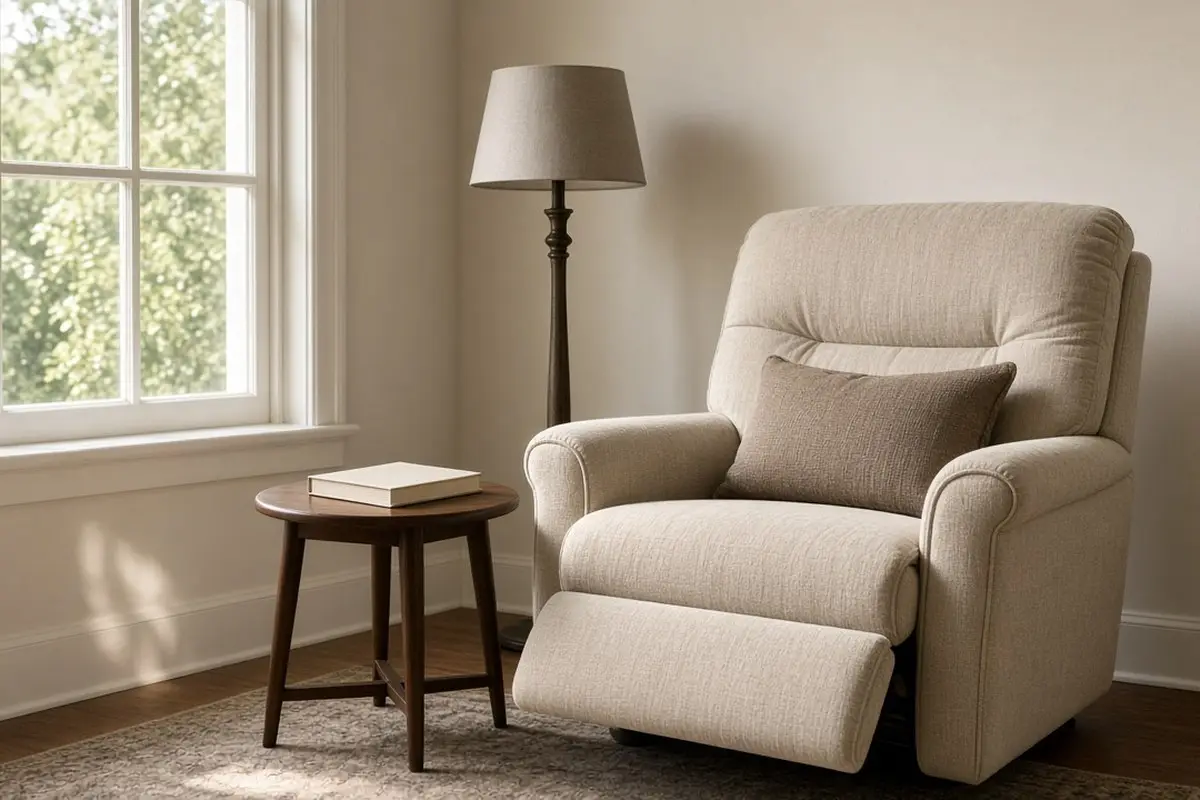
A recliner by a window becomes a reading chair with built-in footrest. Daylight falls over your shoulder. In the evening, a floor lamp behind the chair takes over. It is one of the most comfortable spots a house can have.
Place the chair so the window is to your side, not behind your head. Light from behind makes a page glare. Light from the side is soft and easy on the eyes. Leave space for the full recline, which near a window often means pulling the chair a foot away from the glass. The bonus is that you will not block the curtains.
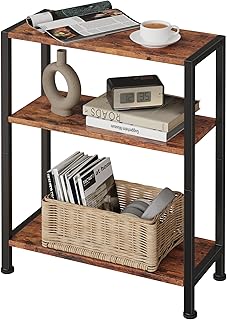
Add a narrow side table for a mug and a book. A small shelf or basket on the floor holds the rest of the reading pile. Keep it to a few books, so the corner looks inviting rather than stacked.
4. Reclining sofa placement in a small room
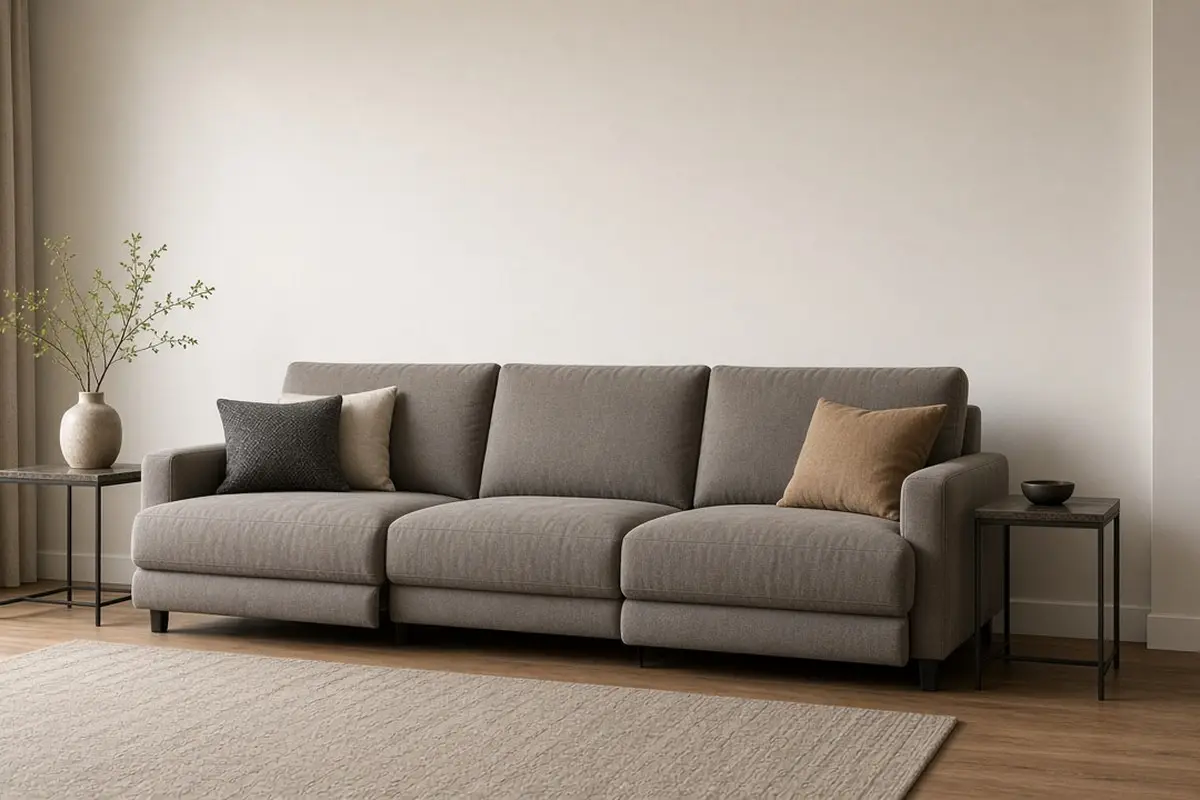
A reclining sofa is wider and heavier than a single chair, so placement matters more. In a small room, put the reclining sofa against the longest wall, with enough clearance behind it for the backs to move. A wall-hugger mechanism on a sofa saves the most space.
In front, leave the footrest path completely clear. That means a coffee table that is either very small and movable or replaced with a pair of side tables at each end. A large, fixed coffee table and a reclining sofa are always at war. Choose one or the other.
Check the seat that does not recline too. Many reclining sofas have a fixed middle seat or a console. Put the console seat in the center so both reclining ends have clear floor in front of them.
5. Pair a recliner with a lighter chair
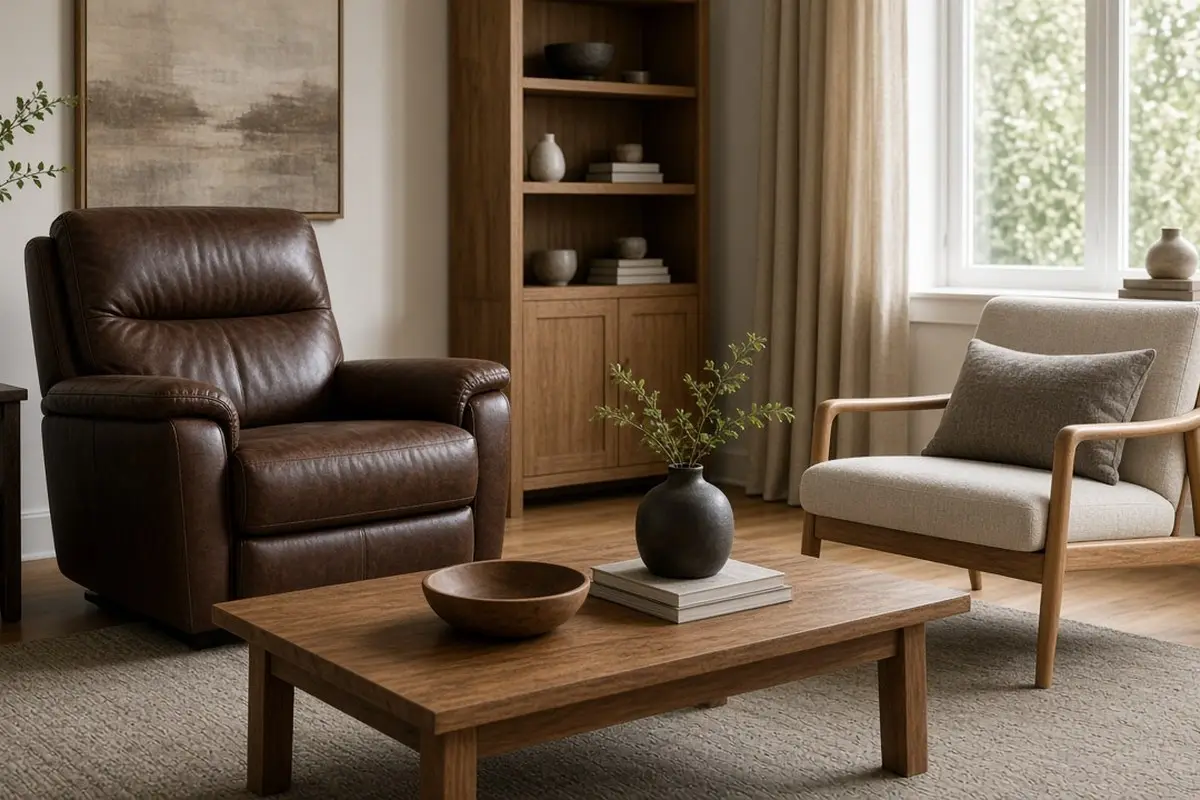
A recliner is visually heavy. Thick arms, deep padding, a solid base. Put two of them side by side and the room tips toward that wall. A better pairing is one recliner and one lighter chair with exposed legs, a slim frame, or a cane back. The contrast keeps the room balanced and gives guests a choice.
Match them by color or material, not by shape. A tan leather recliner and a wood-framed chair with a tan cushion look like a pair. Two completely different colors and shapes look like leftovers.
Set the two chairs opposite each other with the coffee table between them. The recliner gets the side with more space behind it.
6. Disguise the bulk with color and texture
Recliners look bulky partly because they often come in heavy browns or dark grays that soak up light. You can soften the look without replacing the chair. A light-colored throw draped over the back breaks up the solid shape. A textured cushion or lumbar pillow adds detail.
If you are buying new, consider a recliner in a lighter fabric or a mid-tone leather. Many brands now make recliners with slim arms and tapered legs that look like ordinary armchairs. You only know they recline when you lean back.
Place a plant or a lamp beside the chair to break its outline further. Something tall and slender next to something low and wide makes both look intentional.
Get the look
7. Power and cords
Power recliners are wonderful and come with a cord. Plan the chair’s spot near an outlet so the cord runs along the wall and not across a path. Use a cord cover or cable clips, and keep the cord loose enough that the chair can move without pulling the plug.
A recliner with a USB port is handy for phones, but only if the cord reaches without strain. If the nearest outlet is across the room, a flat extension cord under a rug is safer than a round cord on the floor. Never run a cord where the footrest closes on it.
A small side table with a built-in charger keeps remotes and phones together and reduces cord clutter on the floor.
Get the look
8. A comfortable living room layout for everyone
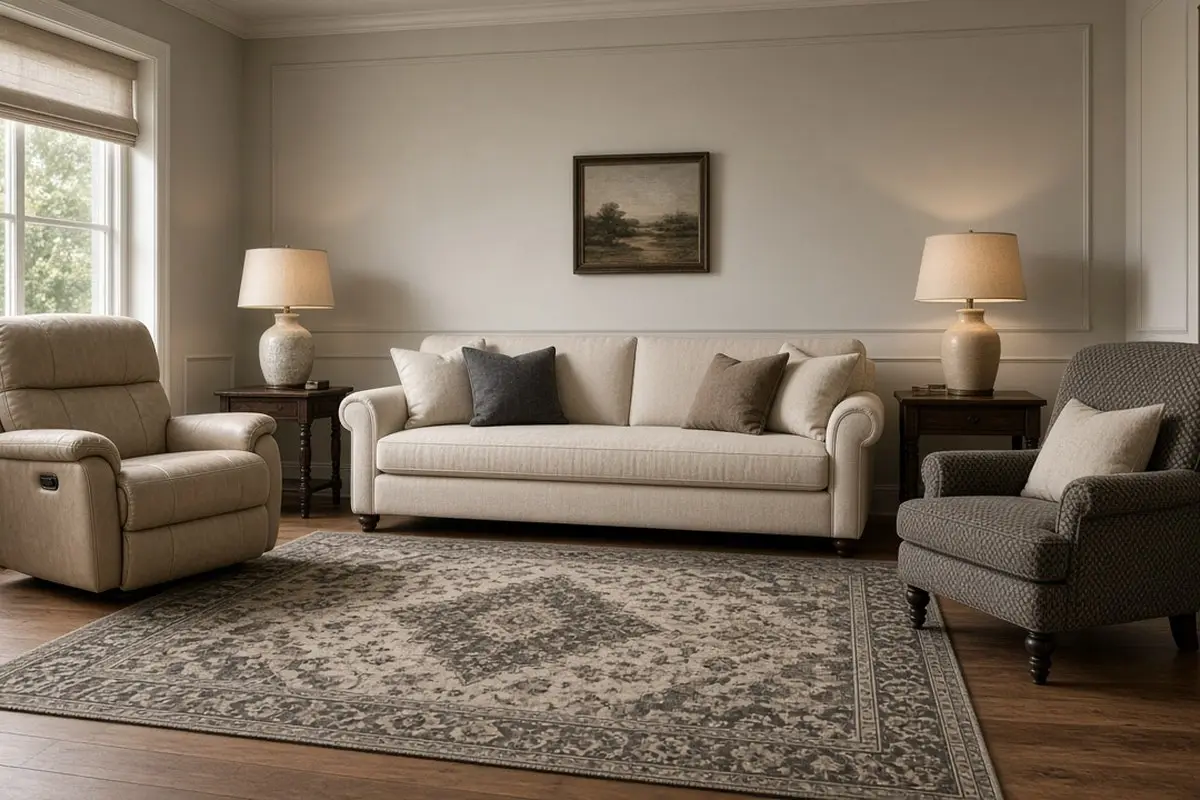
The best recliner rooms make the comfortable chair part of a group, not a throne. The recliner, the sofa, and any other chairs should all be close enough to talk, about eight feet across at most. Everyone should be able to reach a surface for a drink.
Use one rug to pull the group together. Let the front legs of every seat rest on it, with the recliner’s footrest landing on rug when extended. Add lamps at each end of the group, so whoever is in the recliner is not the only one with good light.
With the group set, the recliner stops looking like a separate island and starts looking like the best seat in a good room.


Tips Before You Start
- Measure the recliner fully reclined, footrest out.
- Choose a wall-hugger if wall space is tight.
- Angle the chair toward the room, not only the TV.
- Keep the footrest path clear of tables and rug edges.
- Place power recliners near an outlet.
- Pair a recliner with a lighter chair rather than a second recliner.
FAQ
How much space do I need behind a recliner?
A standard recliner needs 12 to 18 inches. A wall-hugger needs about 4 to 6 inches.
Can a recliner go in front of a window?
Yes, if it does not block the curtains and leaves space to recline. Side light is better than light from behind.
How do I make a recliner look less bulky?
Use a light throw, a textured pillow, and a slender lamp or plant beside it. The living room edits you already own post has more ways to restyle what you have.
Should I get a recliner or a sofa with recliners?
In a small room, a single wall-hugger recliner plus a regular sofa is usually more flexible than a full reclining sofa.
Can two recliners work in the same room?
They can, if the room is large enough to keep them apart. Put them on opposite sides of the coffee table rather than side by side, and make sure each has its own full recline footprint on clear floor.
A recliner can make a living room better, not worse. Measure it reclined, give it a good angle and a lamp, and group it with the rest of the seats. Then it is simply the chair everyone wants. For a quick refresh of the rest of the room, see the calm living room weekend refresh.