
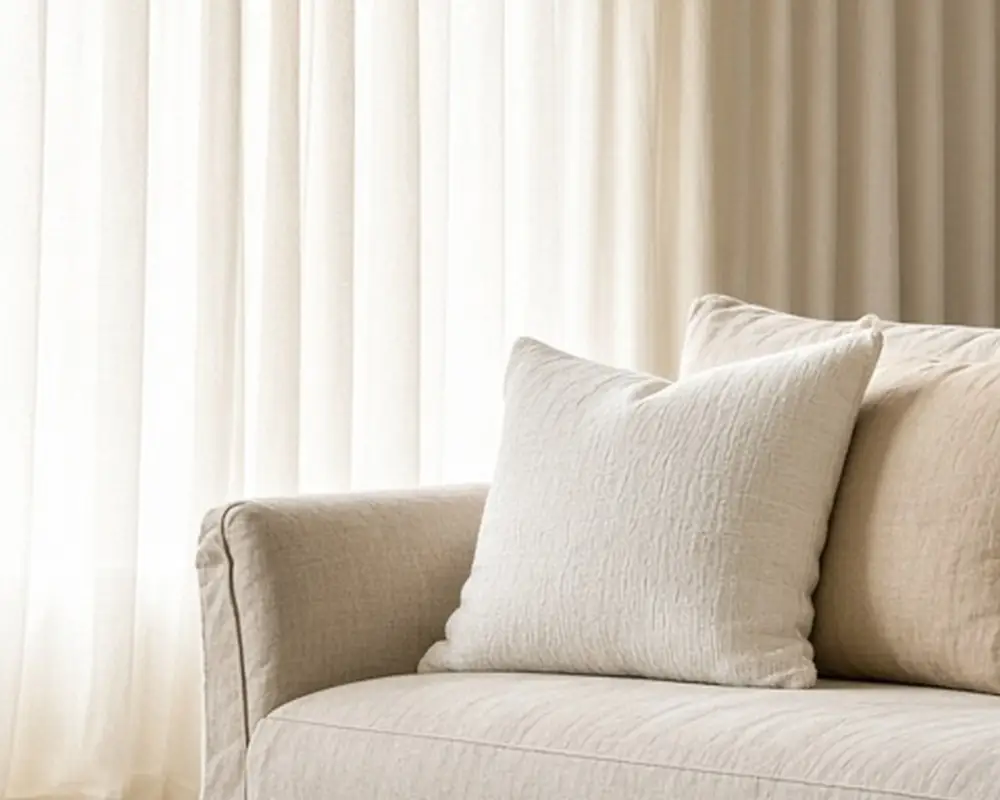
10 Living Room Swaps That Read as Custom

On this page12 sections
Custom rooms rarely look expensive because of one big purchase. They look expensive because the small things are right: the curtains are the right length, the pillows are full, the lamp throws a soft light. Those small things are cheap to fix, and most of them take an afternoon.
These ten swaps replace something you already have with a better version of the same thing. None of them need new furniture. For a broader low-budget plan, the hundred dollar room refresh pairs well with this list.
As an Amazon Associate I earn from qualifying purchases.
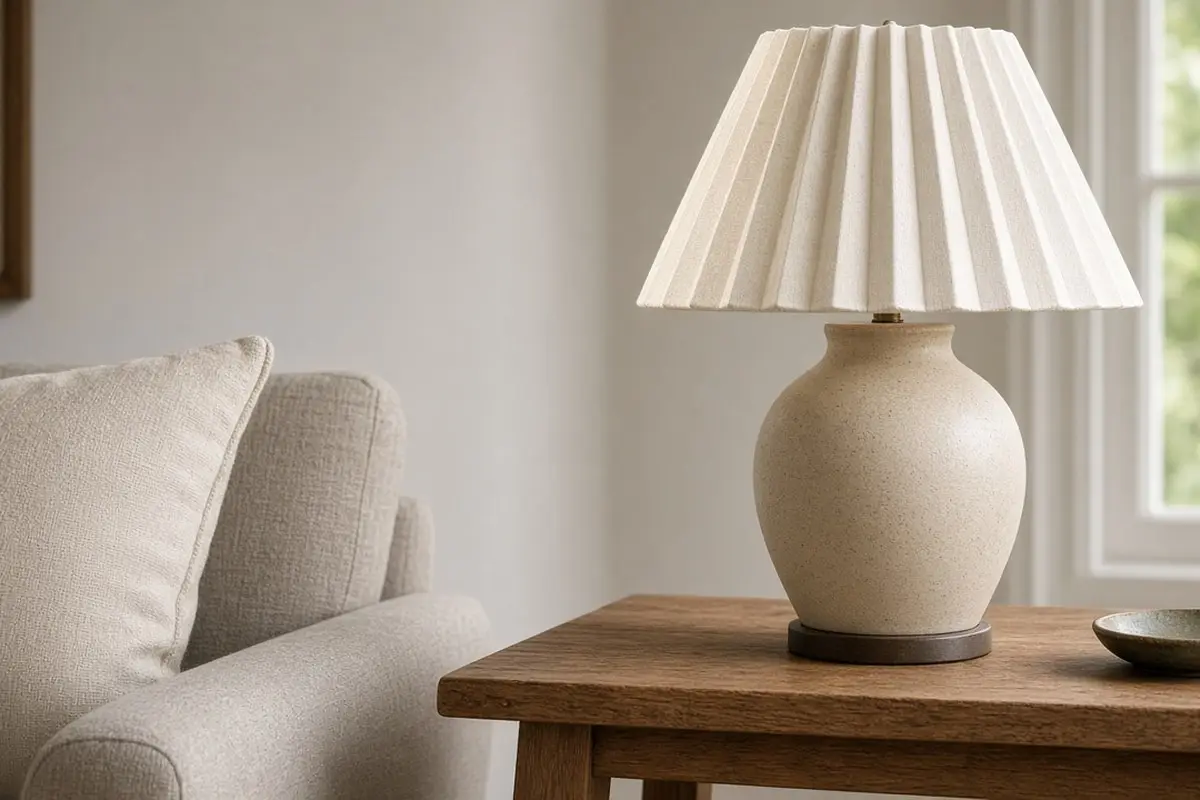
1. Lampshade swap
A cheap lamp with a good shade looks like a good lamp. Replace a shiny, narrow, or yellowed shade with a linen drum or a pleated fabric shade. Make sure the bottom of the shade covers the lamp’s hardware when you sit beside it. A shade that is too small is the most common giveaway of a budget lamp.
Take the old shade to measure the harp height before you shop, and bring the lamp base if you can.
Shade color changes the light as much as shape. A white or ivory linen shade gives a clean, bright glow. An oatmeal or flax shade warms it. Dark or opaque shades push all the light up and down, which is moody but not useful for reading. For a living room you use every evening, a light linen is the safest choice. If two lamps sit in the same room, give them the same shade, even if the bases differ. Matching shades make mismatched lamps look like a set, which is one of the oldest designer tricks there is.

2. Down-alternative pillow inserts
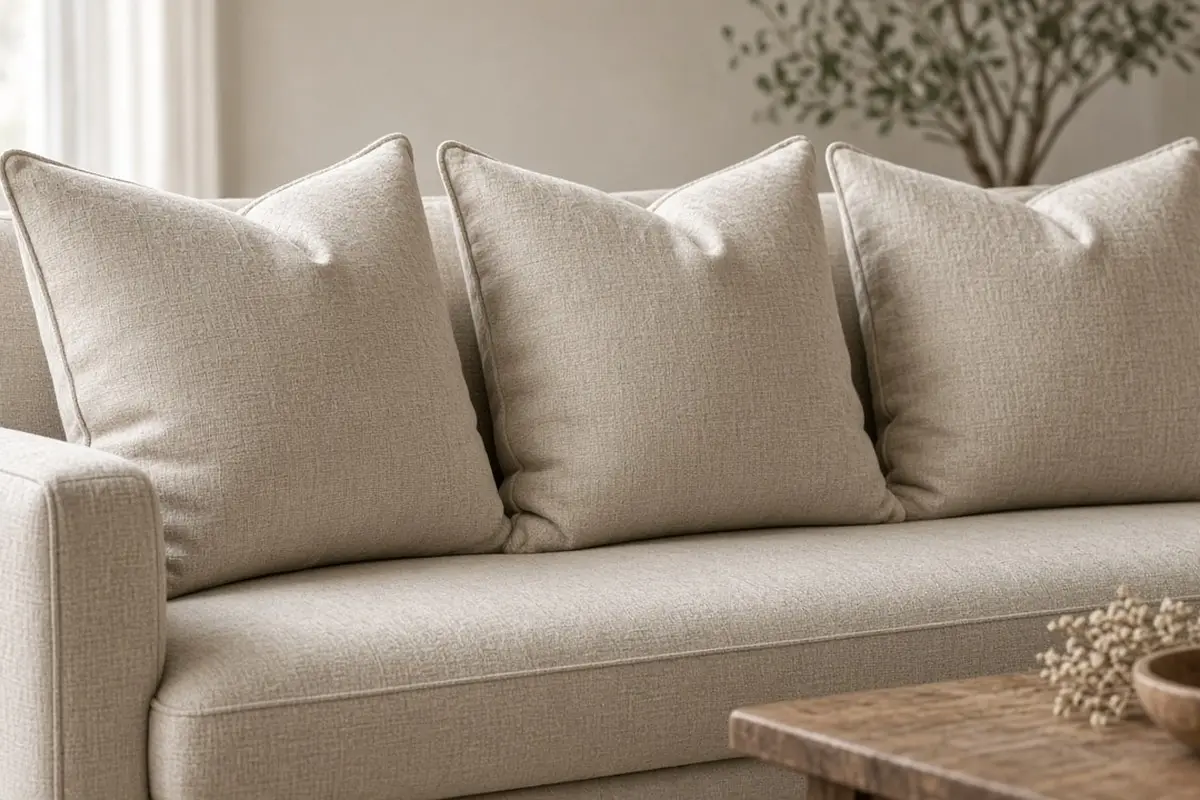
Budget throw pillows look flat because the inserts are flat. Swap them for inserts two inches larger than the cover. A 20 inch cover with a 22 inch insert looks plump and holds a chop. This single change makes a sofa look reupholstered.
Keep the covers you like and replace only the inserts.
Feather and down-alternative inserts both work. Feather holds the karate chop crease longest and looks the most relaxed. Down-alternative is easier for allergies and keeps its shape after washing. Polyester fiberfill is the cheapest and the one that goes flat fastest, which is why so many budget pillows look tired after a month.
While you are at it, cut the number of pillows. Two or three full pillows on a sofa look richer than six thin ones. Fewer pillows also mean you can actually sit down without moving a pile.
Get the look

3. Curtains hung high and wide
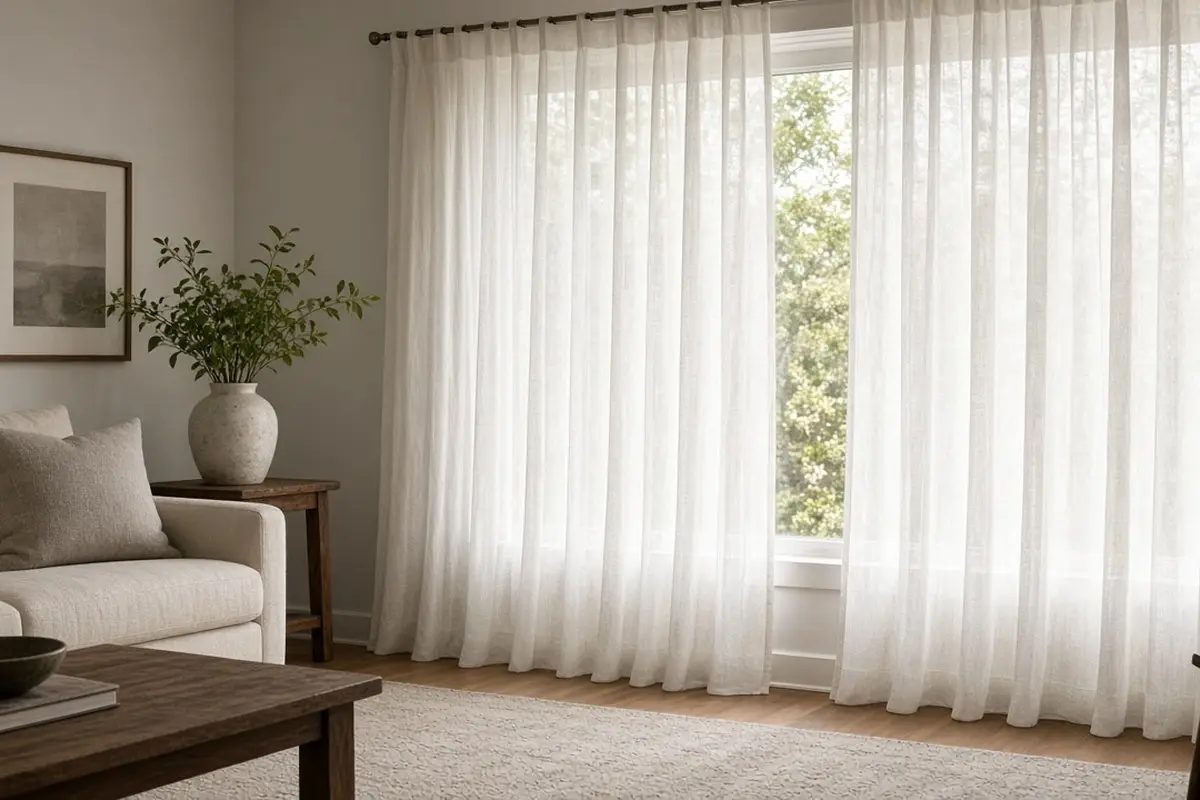
Move the curtain rod up to just under the ceiling and out six to ten inches past each side of the window. The window looks bigger, and the ceiling looks higher. Then make sure the curtains touch the floor. Short curtains are the clearest sign of a room put together in a hurry.
Most ready-made curtains come in 84 inch lengths, which are often too short once the rod goes up. Look for 96 or 108 inch panels, and hem them if needed. Iron-on hemming tape does a neat job in an evening without a sewing machine.
Use two panels per window, each at least as wide as the window itself, so they look full when closed. Thin, stretched curtains read as cheap even when the fabric is good.
Get the look

4. New hardware on old furniture
A plain cabinet or dresser with heavy brass or leather pulls looks bespoke. Measure the hole spacing first so you do not need to drill. Choose pulls with some weight to them. Thin, hollow hardware does not change much.
If the hole spacing does not match, choose knobs, which need only one hole each, or a backplate that covers the old holes. Wood filler and a little paint also hide old holes if you want a cleaner front.
Use the same metal finish on every piece in the room: the pulls, the lamp base, the curtain rod. One finish repeated looks deliberate. Three finishes look like three shopping trips.
Get the look
5. Bigger art
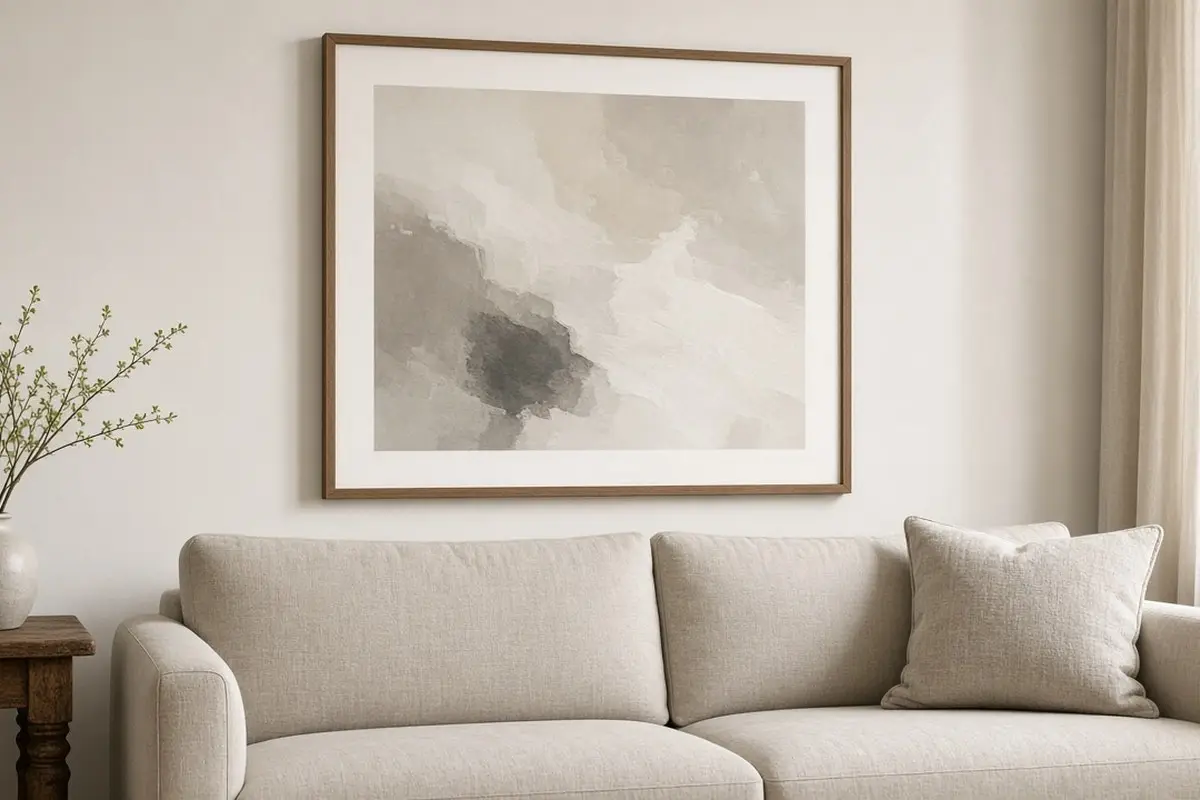
Small frames scattered on a big wall read as an afterthought. Replace them with one large piece, or frame a print in a wide mat inside an oversized frame. The mat does most of the work and makes even a simple print look gallery-made.
Size the art to the furniture under it. Above a sofa, aim for art about two thirds the sofa’s width. Hang the center around 57 to 60 inches from the floor, or about eight to ten inches above the sofa back.
A free or inexpensive print looks expensive in the right frame. Old botanical drawings, museum open-access images, or a child’s painting matted wide can all look intentional. The frame and mat are where the money goes.
6. Rug one size up
An undersized rug makes furniture look like it is floating. Size up so the front legs of every seat sit on the rug. In most living rooms, that means an 8x10 instead of a 5x7. A plain rug in the right size looks better than a beautiful rug that is too small.
If a larger rug is out of budget, layer. Buy a large, plain jute or sisal rug in the right size, which is often affordable, and put your smaller patterned rug on top. You keep the rug you love and gain the proportion the room needs.

7. Warm bulbs everywhere
Mixed bulb colors make a room look patched together. Replace every bulb with the same warm 2700K tone. The whole room suddenly looks planned, because the light is the same color everywhere you look.
Add dimmers where you can. Plug-in dimmers sit between the lamp and the outlet and need no wiring. A room lit at half brightness in the evening looks warmer and calmer than one blazing at full power.

8. Sofa legs
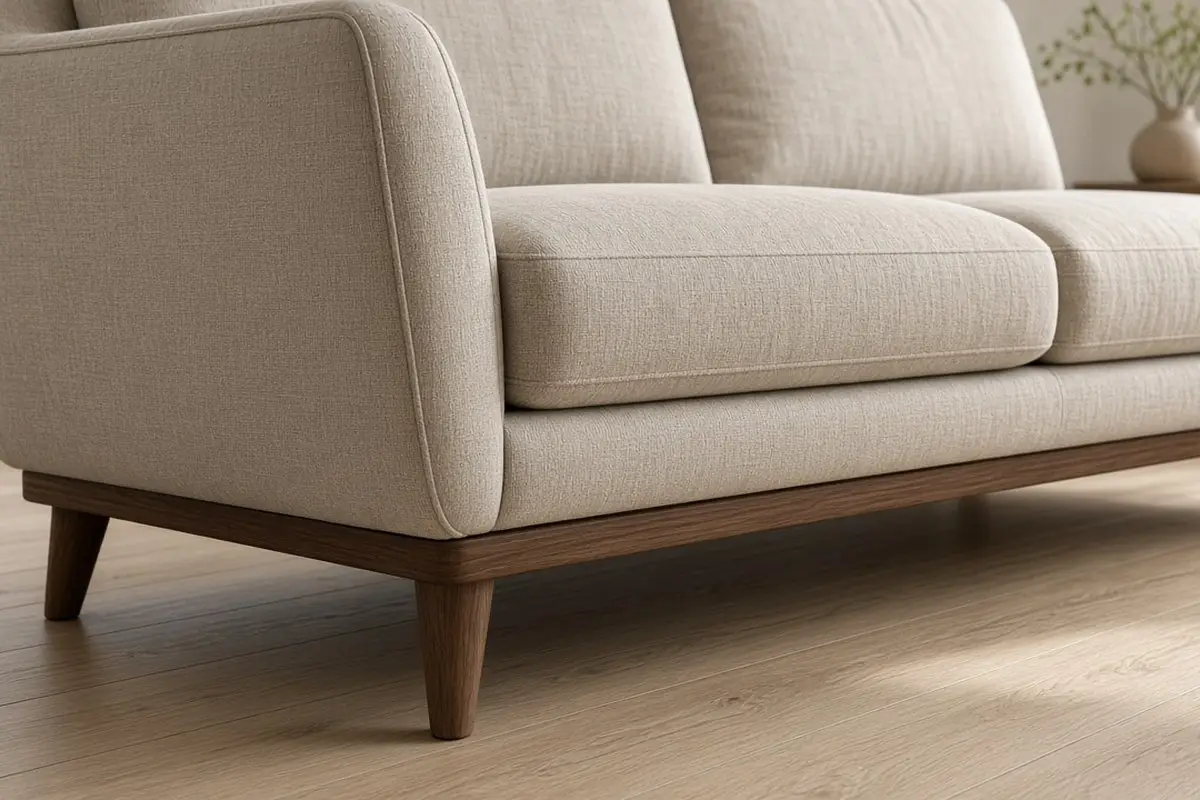
Short, stubby legs make a sofa look cheap. Tapered wood or slim metal legs lift it and show more floor. Many sofas take screw-in legs, so this is a ten-minute job.
Turn the sofa on its back and check how the old legs attach. Most use a standard bolt that unscrews by hand. Take one leg with you when shopping, or measure the bolt, so the new legs fit. Choose legs about two inches taller than the old ones for a lighter look, and add felt pads underneath to protect the floor.
Get the look

9. Hide the cords
Visible cords make any room look unfinished. Use cord covers painted to match the wall, cable clips under furniture, and a box for the power strip. It is unglamorous, and it changes the room more than most decor.
Start with the TV area and the lamps by the sofa, which are the places most people look. Gather cords with a velcro wrap, run them along the back leg of the furniture, and clip them to the baseboard. Ten minutes of this makes a room look calmer than a new set of pillows.

10. One real plant
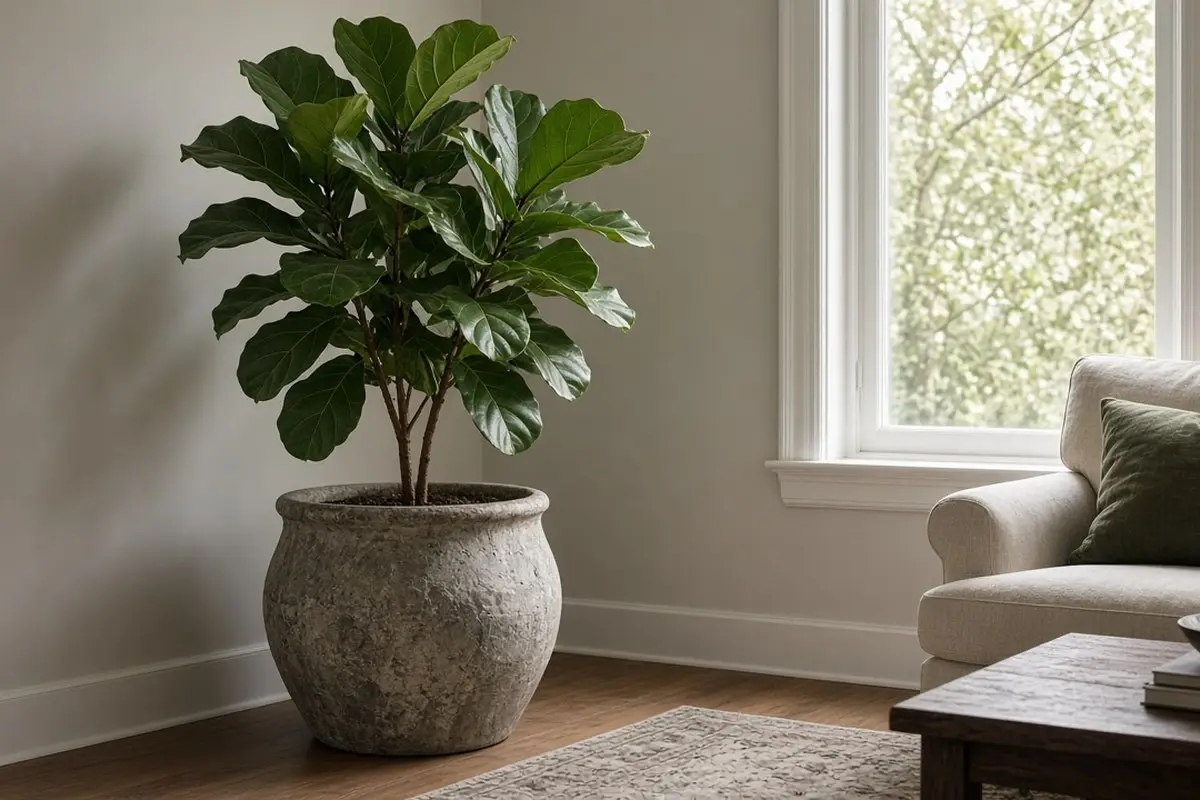
A single healthy, large plant looks better than several small fake ones. Buy one with some height, put it in a heavy pot, and keep it near light. The size is what makes it read as intentional.
Choose a plant that suits your light rather than the one in the photo. A fiddle leaf fig needs bright light. A snake plant, ZZ, or rubber plant tolerates more shade. A healthy plant in a plain pot always beats a struggling one in a fancy one.

Tips Before You Start
- Measure lamp harps, cabinet hole spacing, and rug space before buying.
- Do one swap a week so you can see each change.
- Keep the covers, change the inserts.
- Choose one bulb color for the whole room.
- Hang curtains first. It changes how big everything else should be.
FAQ
What is the cheapest change that makes a room look expensive?
Pillow inserts and warm bulbs. Both cost little and change the room at once.
Do I need matching lamps?
No. Matching shades help more than matching bases.
How high should curtains hang?
Close to the ceiling, with the hem just touching the floor. More on window and wall changes is in the wall updates without furniture post.
What should I swap first?
Start with whatever you see first from the door. The living room edits you already own post helps you decide.
In what order should I do these swaps?
Start with light, because it changes how everything else looks. Swap the bulbs, then the lampshades. Next, hang the curtains higher, which resets the scale of the room. Then deal with the rug size and the pillows. Hardware, legs, art, and the plant come last, because you will judge them better once the light and proportions are right. Spread the work over a month and the room changes steadily without a big bill at once.
Will these swaps work in a rental?
Almost all of them. Bulbs, shades, pillow inserts, rugs, sofa legs, and plants never touch the walls. Curtain rods need a few screw holes, which are easy to fill when you move out. For hardware on a landlord’s cabinet, keep the old pulls in a labeled bag so you can put them back.
A custom look comes from getting small things right. Swap them one at a time, and the room will look considered without a single new piece of furniture.