
10 Wall Updates You Can Do Without New Furniture

On this page12 sections
- Paint one wall a step deeper
- Hang the art at eye level
- Add a rail instead of a gallery
- Paint the trim the same day
- Rehang the mirror you own
- Take half the gallery down
- Hang one textile, not a set
- Match the plates to the trim
- Raise the rod so the wall looks taller
- Leave one wall blank on purpose
- Tips Before You Start
- FAQ
Wall decor ideas often start with a new sofa, as if the wall cannot change until the furniture does. The wall can change this weekend. Paint, a higher hook, a cleaned trim line, and one frame you already own will do more than a sofa you are not ready to buy. The room you have is the room these updates are for.
The hundred-dollar refresh spent a little money on a door and bulbs. This list stays on the vertical surfaces. If a step needs a new chair to make sense, it does not belong here. We are editing the walls around the sofa, the bed, and the table you already sit at. Stand in the doorway before you start and note the first wall your eye hits. That is the one to change. The wall you only see when you are already in the room can wait, and waiting is what keeps the project inside a weekend.
As an Amazon Associate I earn from qualifying purchases.
1. Paint one wall a step deeper
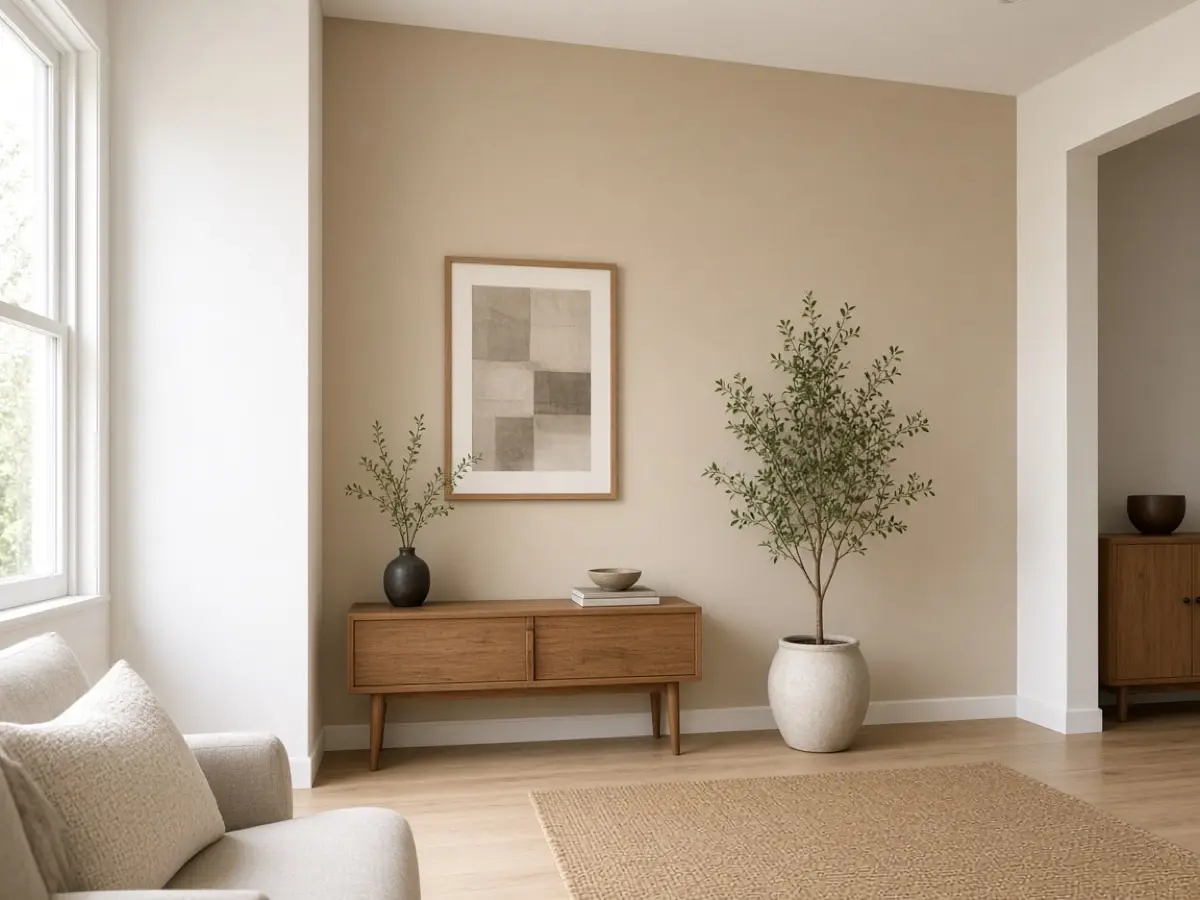
Choose the wall you see when you walk in, not every wall. A color one step deeper than what you have, in the same family, gives the room an edge without a new palette. In a beige room, that might be a warmer sand. In a white room, a soft greige or the sage from the bathroom colors if the light is decent. Sample a poster-sized patch and look at it morning and night.
One wall is a quart or less in a small room. Tape the trim. Two coats. Do not paint around furniture you cannot pull out a few inches. The line at the baseboard will show. If you cannot move the sofa six inches, paint the wall opposite it instead.


2. Hang the art at eye level
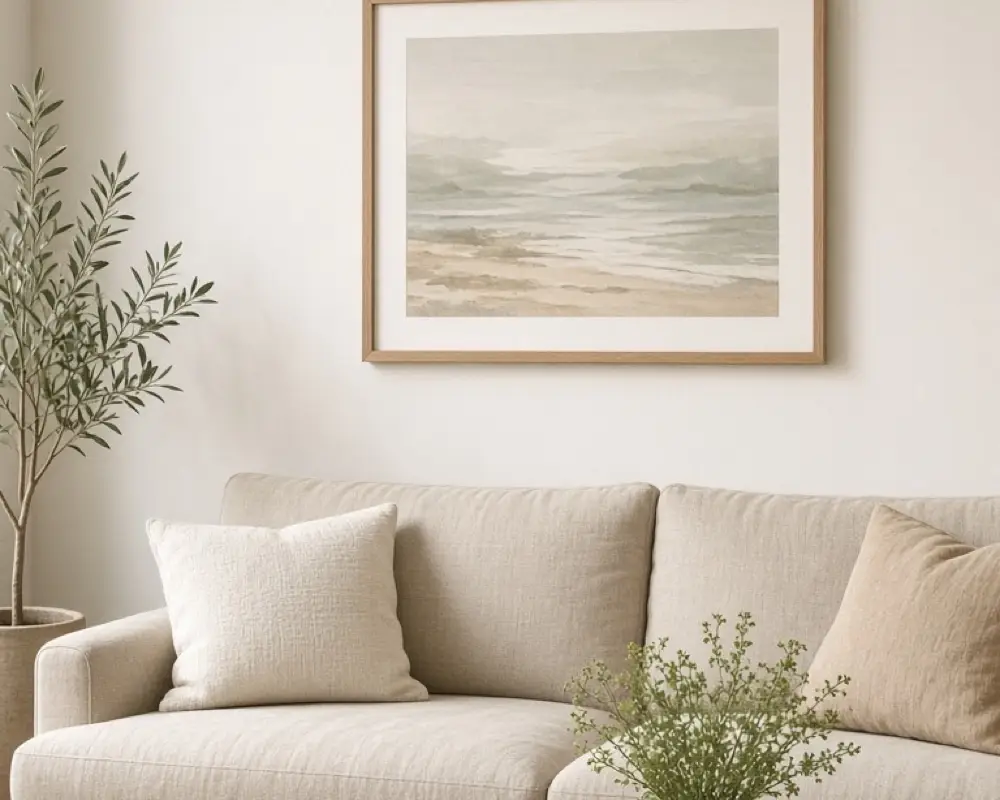
Most frames sit too high, floating in the space above the sofa with a gap you could fit another picture into. The center of the art should land near 57 inches from the floor. Above a sofa, the bottom of the frame can sit about 6 to 8 inches over the back. Measure. Do not guess from the ladder.
Use a hook rated for the weight. A nail that is too light pulls out and takes a chunk of the new paint with it. If you are renting, one proper hole is easier to fill than a cluster of tries. The budget frame post covers buying a frame. This one is about where the frame you own should actually be.



3. Add a rail instead of a gallery
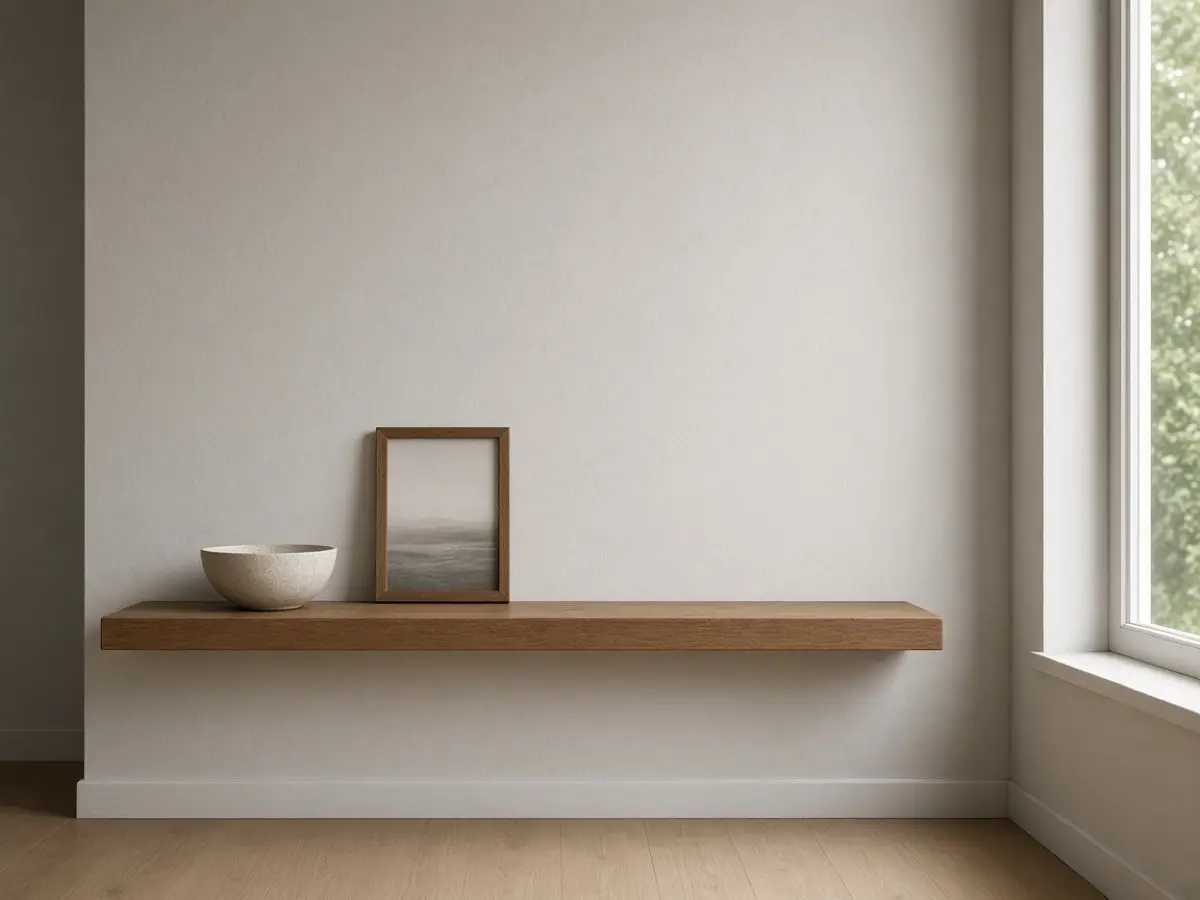
A picture rail or a single narrow shelf gives you a line to hang from without a new hole for every frame. Hooks on a rail let you change the art without spackling. If a rail is too much hardware, one shelf at about 60 inches, 6 to 8 inches deep, holds two objects and stops. The kitchen wall post used this for a single open shelf. In a living room the same restraint applies.
Do not fill the shelf the day you hang it. One bowl, one frame. The empty stretch is what makes the wall look finished. A shelf packed edge to edge is a closet mounted on the plaster.


4. Paint the trim the same day
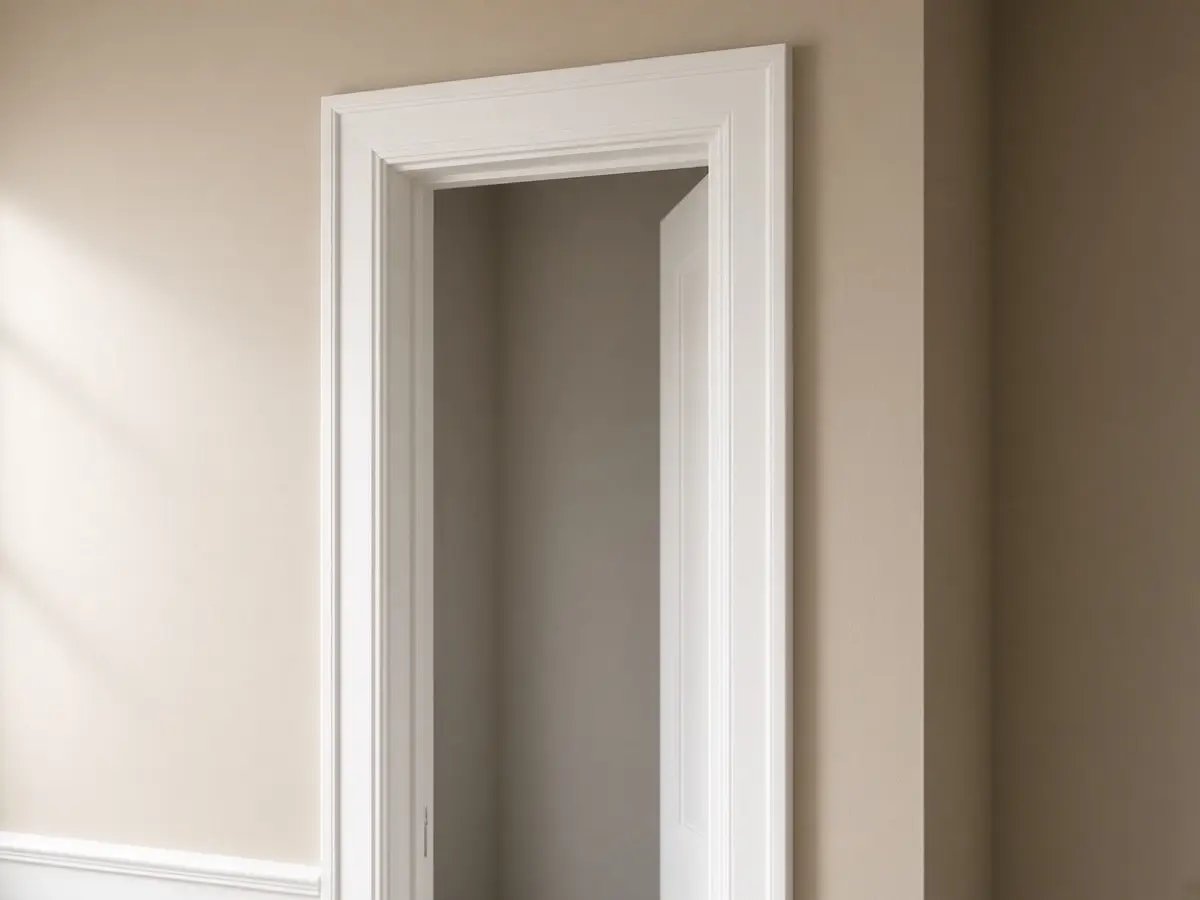
A fresh wall next to yellowed trim looks half done. If the casing and baseboard are wood, paint them a clean white or the wall color in a satin sheen so they wipe. Do this before you rehang the art, so you are not taping around a new frame. Pull the outlet plates off. Painting around them leaves a ridge you will see forever.
Caulk the gap between the casing and the wall if it is a hairline, the same small job as in the budget post. A dark crack beside new paint is the first thing the eye finds. Give the trim a day to cure before you hang anything against it.


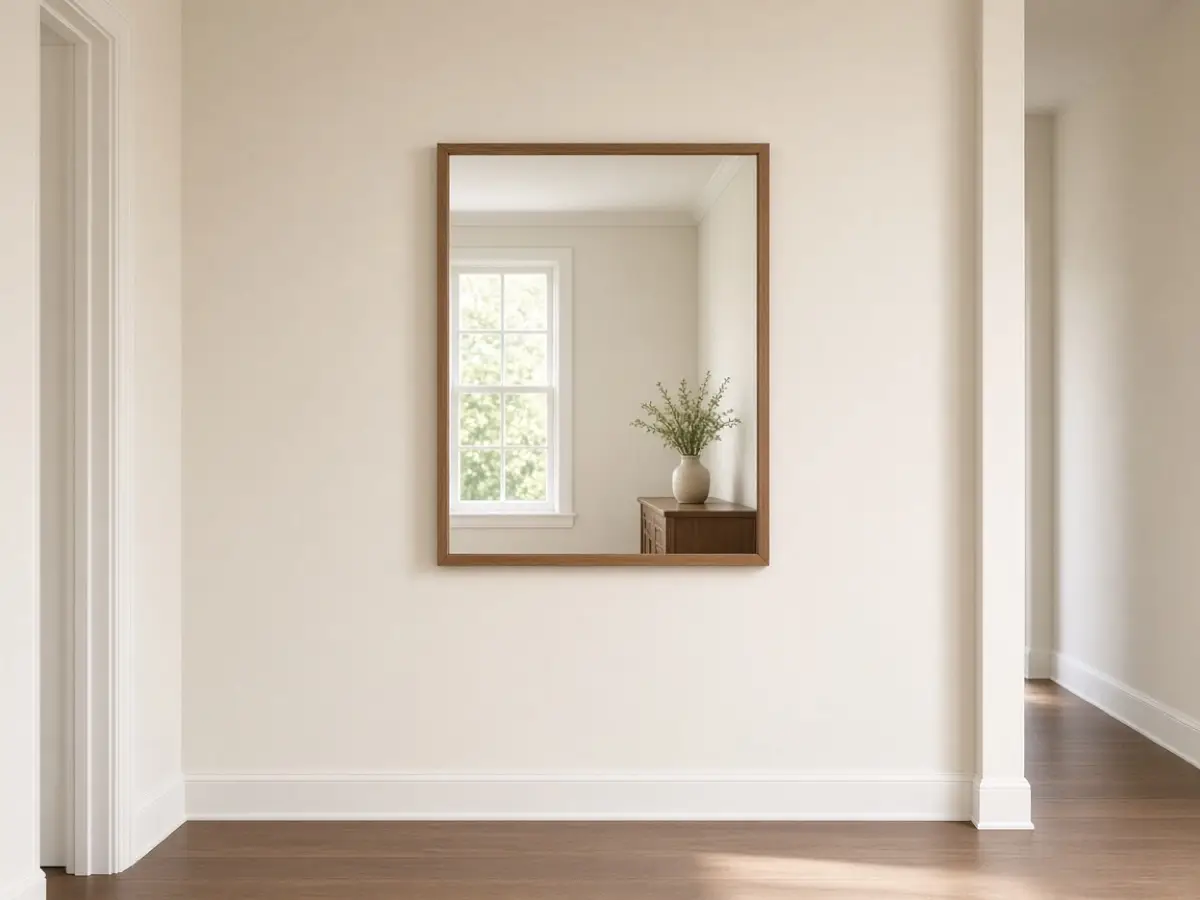
5. Rehang the mirror you own
A mirror leaned on the floor is a temporary choice that became permanent. Hang it so the center is near eye level, or so you can see your face without stooping if it is by a door. A wire that is loose will tilt. Tighten it and use two hooks if the mirror is wide, so it cannot slide. Check the weight. A heavy mirror needs anchors or a stud, not a picture hook meant for a photo.
If the mirror is in a bath, the light post already argued for a wider one. Here, in a living room or hall, the mirror you have is enough if it is straight and at the right height. Clean it. A spotted mirror reads as a dirty wall.


6. Take half the gallery down
A wall of frames can be the problem, not the lack of them. Remove every other piece and live with the gap for a week. What you do not miss can go to a closet or to another room that has a blank wall. What you miss goes back, with space around it. The living room edit removed objects from tables. Walls deserve the same edit.
Patch the holes you are not reusing the same day, or they become the new decor. A dab of spackle, a sand, and a touch of the wall paint. Cluster the keepers so they relate, instead of scattering them to hide the holes. Fewer frames, hung straight, look like a decision.



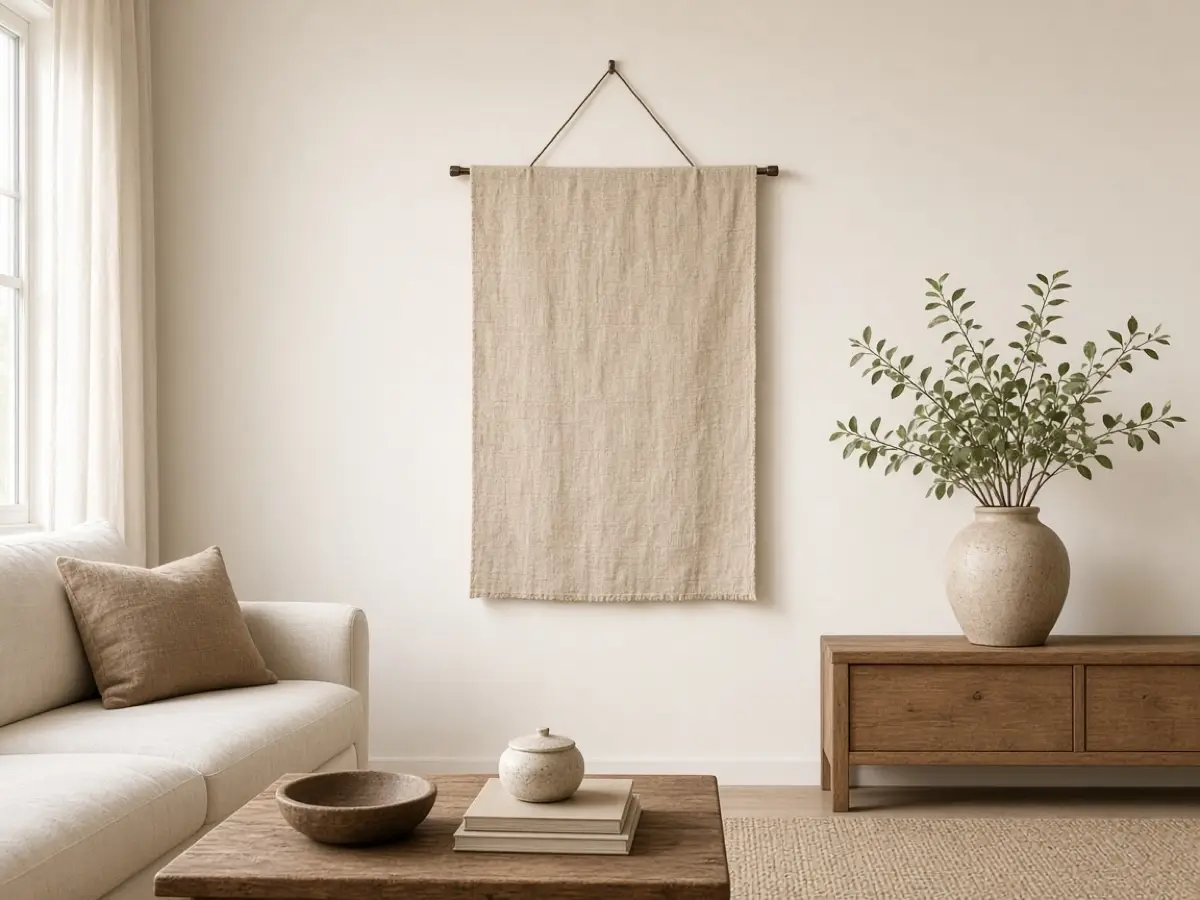
7. Hang one textile, not a set
A quilt, a plain wool throw, or a piece of linen on a rod is a wall update that adds softness without a new sofa. One. A set of three matching hangings looks like a catalog page. Use a clamp or a sleeve on a slim rod, and hang it where a frame would have gone, at the same eye-level rule. Keep it out of direct sun if the dye can fade, or accept that it will.
If the textile is precious, a backing and a proper hanger matter. If it is a throw you also use, a rod with clips is enough and you can take it down to wash. The wall should not be a closet. One hanging, then stop.



8. Match the plates to the trim
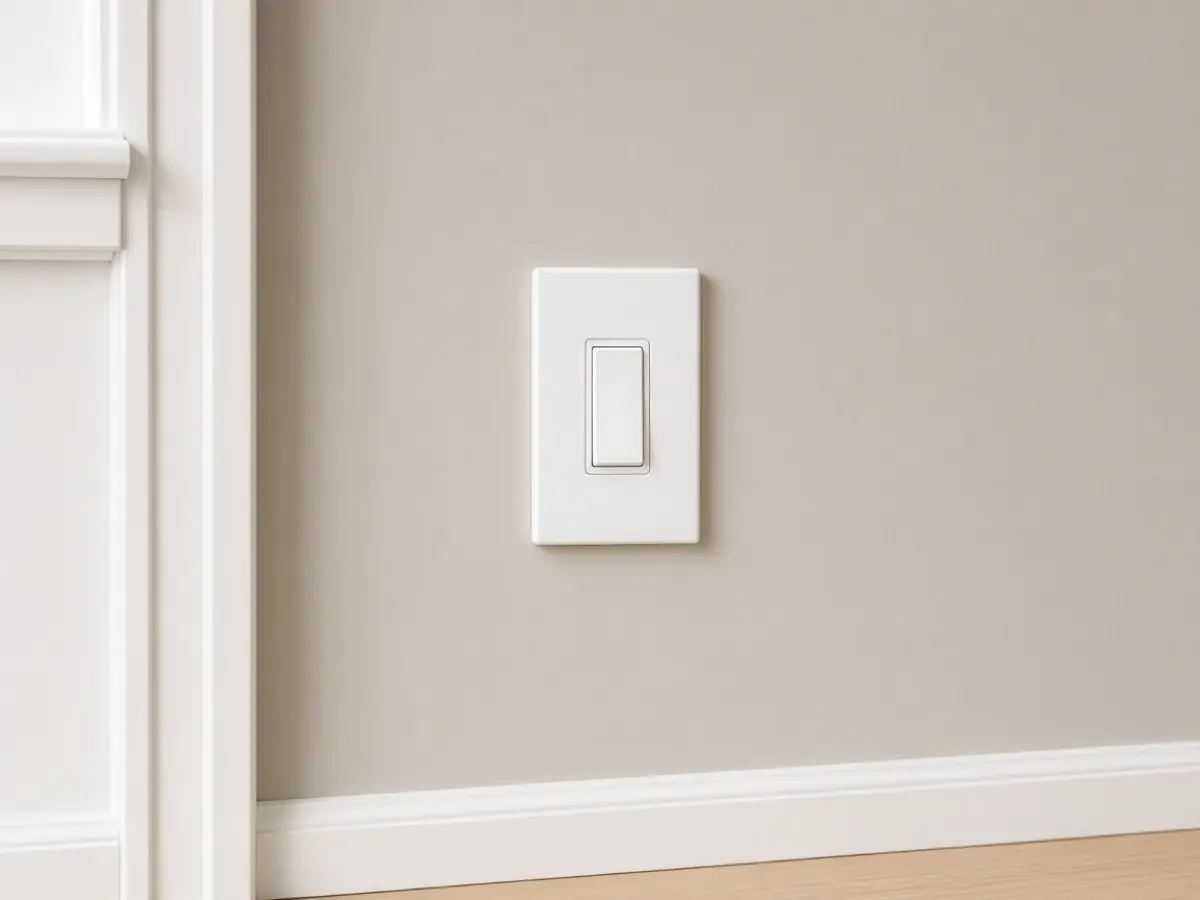
Yellowed outlet covers on a fresh wall undo the paint. Swap them for the trim color while the plates are already off from painting. Turn the breaker off. It is a few dollars and twenty minutes, and it is the detail people notice without knowing why the wall looks finished. Do the switches on that wall only. The rest of the house can wait.
If the plates are metal and you like them, clean them instead of replacing them. A grimy brass plate and a new one on the same wall is two eras. Pick one. This is the same finish discipline as the brown and beige metal, applied to the things screwed to the plaster.


9. Raise the rod so the wall looks taller
The curtain rod is a wall line. If it sits on the trim, the wall above the window looks like leftover. Move the rod 4 to 6 inches toward the ceiling and wider than the window, if the curtains are long enough to still make sense. This was a budget item when you were spending the hundred dollars. Here it is a wall proportion, and you can do it with the rod you own if the brackets reach.
Patch the old holes. New holes with old holes beside them look like a miss. Fill, paint, then mount. Stand across the room. The window should feel like part of the wall, not a short hole in it.



10. Leave one wall blank on purpose
The wall opposite the one you painted or hung can stay empty. A room where every surface is worked looks smaller and louder. The blank wall is rest for the eye, and it is the place you are not spending money. If a blank wall makes you nervous, put one small hook and nothing else, and see if you still want a gallery there in a month.
This is the end of the list for a reason. You do not have to use all ten. One deeper wall, art at the right height, and clean trim will read as a new room around the furniture you kept. Stop when the wall looks calm from the doorway. Another frame will not make it calmer.


Tips Before You Start
- Change the wall you see first. Leave the opposite wall alone if you can.
- Hang art so the center is near 57 inches, or 6 to 8 inches above a sofa.
- Paint trim the same weekend as the wall, or the new paint will look unfinished.
- Take half a crowded gallery down before you buy another frame.
- One textile or one shelf, not a set.
- Patch old holes the day you move a hook.
FAQ
How can I update a room without buying furniture?
Paint one wall, rehang the art you own at eye level, paint the trim, and swap the outlet plates. A mirror you already have, hung straight, does the rest. The sofa can stay.
What height should pictures be hung?
About 57 inches from the floor to the center of the frame is a reliable start. Above a sofa, keep roughly 6 to 8 inches between the frame and the back of the sofa.
Can renters change a wall without new furniture?
Yes, with fewer holes. One rail or one shelf, command-safe hooks where the weight allows, and paint only if the lease says you can. Patch what you try and do not keep.
Should every wall have decor?
No. One worked wall and one blank wall make the room easier to be in. A gallery on every surface looks busy from the doorway, which is where you judge it.
Walls can change around the furniture you already own. Paint one, hang what you have at the right height, clean up the trim, and leave the opposite wall alone. If you only finish the wall you see from the doorway, the room will still feel different tonight. The sofa does not have to move for that to be true. A straight frame and a clean casing are enough of a change for today.