
14 Places to Put Things in a Small Kitchen

On this page16 sections
- The drawer you open with your hip
- A vertical slot for boards and pans
- The inside of a cabinet door
- Under the sink, around the pipe
- One row on top of the fridge
- Hooks inside a tall cabinet
- The dead corner that can turn
- Spices in a drawer, not a tower
- Lids in their own slot
- Heavy things on the pantry floor
- The gap beside the fridge
- One tray for what must stay out
- The pantry door, lightly
- One shelf you leave empty
- Tips Before You Start
- FAQ
Small kitchen organization ideas fail when every spare inch becomes a shelf. The room still needs a place to set a hot pan. The job is to pick fourteen homes for the things you already own, and to leave the 30-inch prep run empty. A drawer, a door, and the gap beside the fridge will hold more than another crock on the counter.
The small kitchen layout post was about the floor and the landing spots. This one is about where the tools go once that floor works. If the aisle is already tight, do not add a cart that you have to walk around.
As an Amazon Associate I earn from qualifying purchases.
1. The drawer you open with your hip
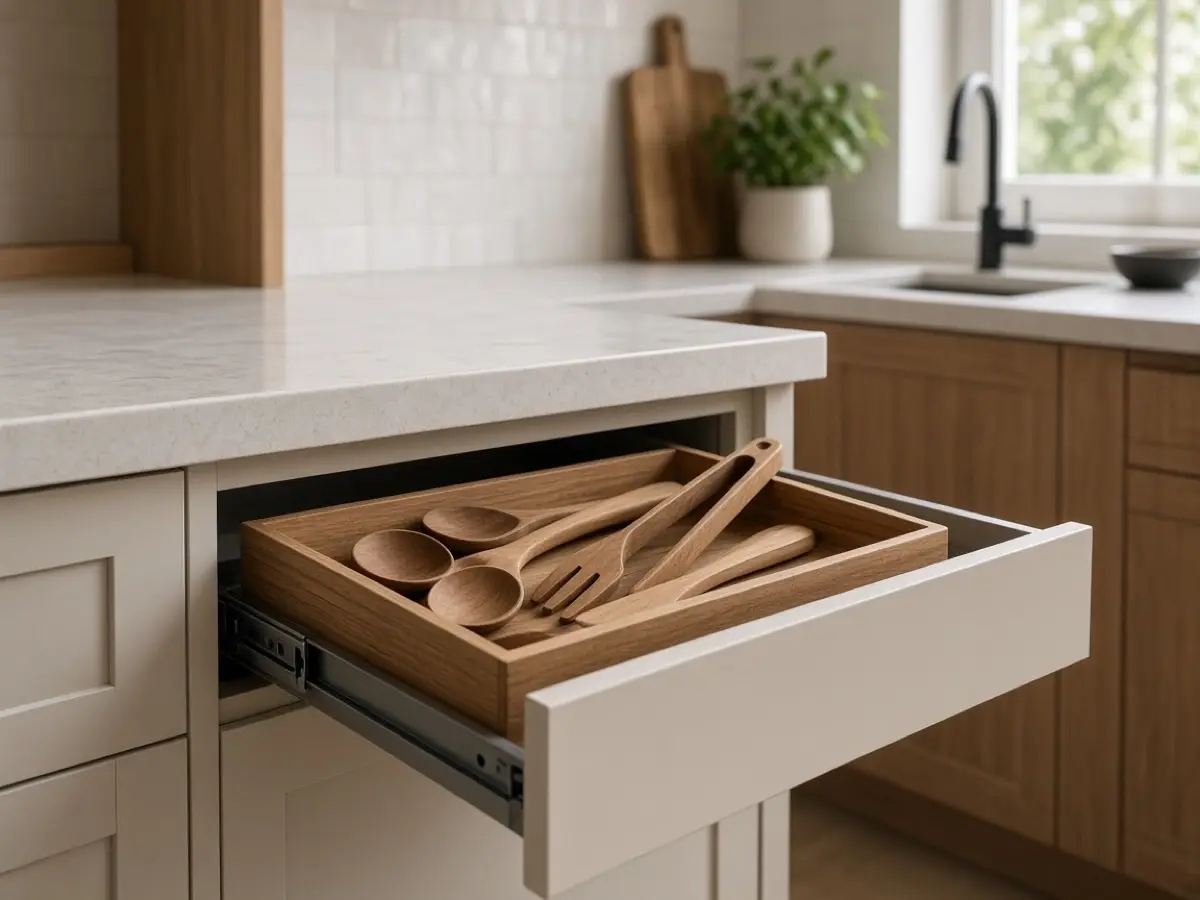
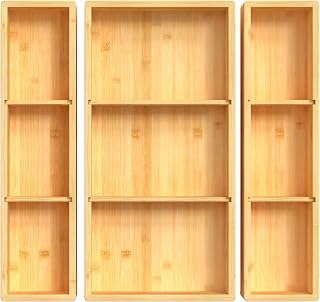
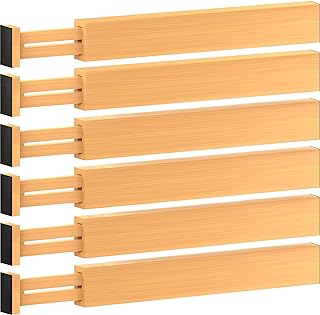
The drawer beside the stove, at hip height, is the only one that should hold the daily tools. Spatula, tongs, a wooden spoon, the peeler, and the shears. If that drawer also holds birthday candles, the spatula sinks. Measure the drawer box, not the front. A 15-inch box takes a 14-inch organizer, with a finger of clearance so it does not scrape.
Empty it onto the table once. Put back only what you used in the last week. The rest goes in a labeled box on a high shelf. You can still reach it. You will not dig past it at 6 p.m.


2. A vertical slot for boards and pans
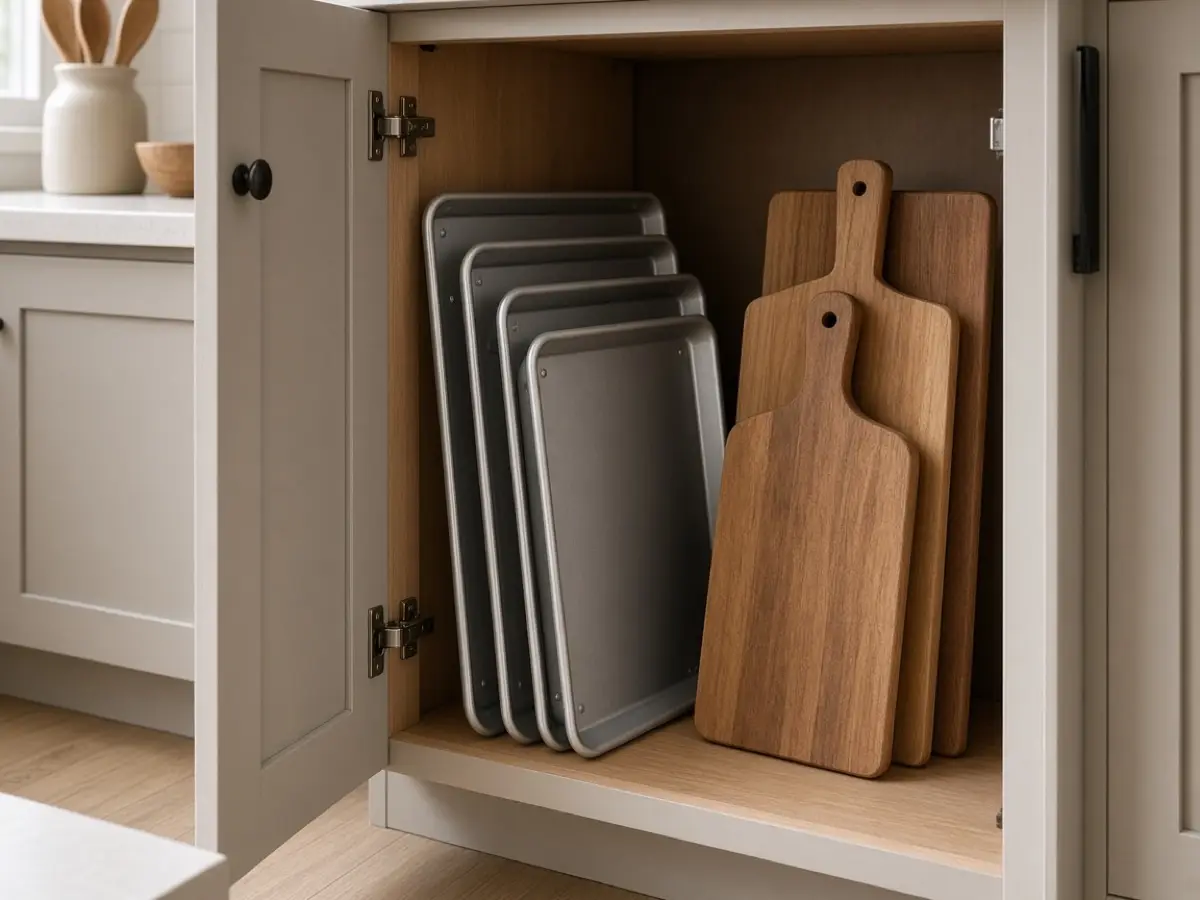
Sheet pans and cutting boards eat a cabinet when they lie flat. Stand them in a slot that is at least 10 inches wide, with a rail or dividers so they do not fall forward. Put the board you use every day in front. The holiday pan goes behind it.
If the cabinet is shallower than 12 inches, skip the slot and hang the two pans you use on the inside of a tall door instead. A slot that is too shallow becomes a trap. You will pull three pans out to get one. Leave a 1-inch gap at the side so a pan does not wedge when the wood swells.


3. The inside of a cabinet door
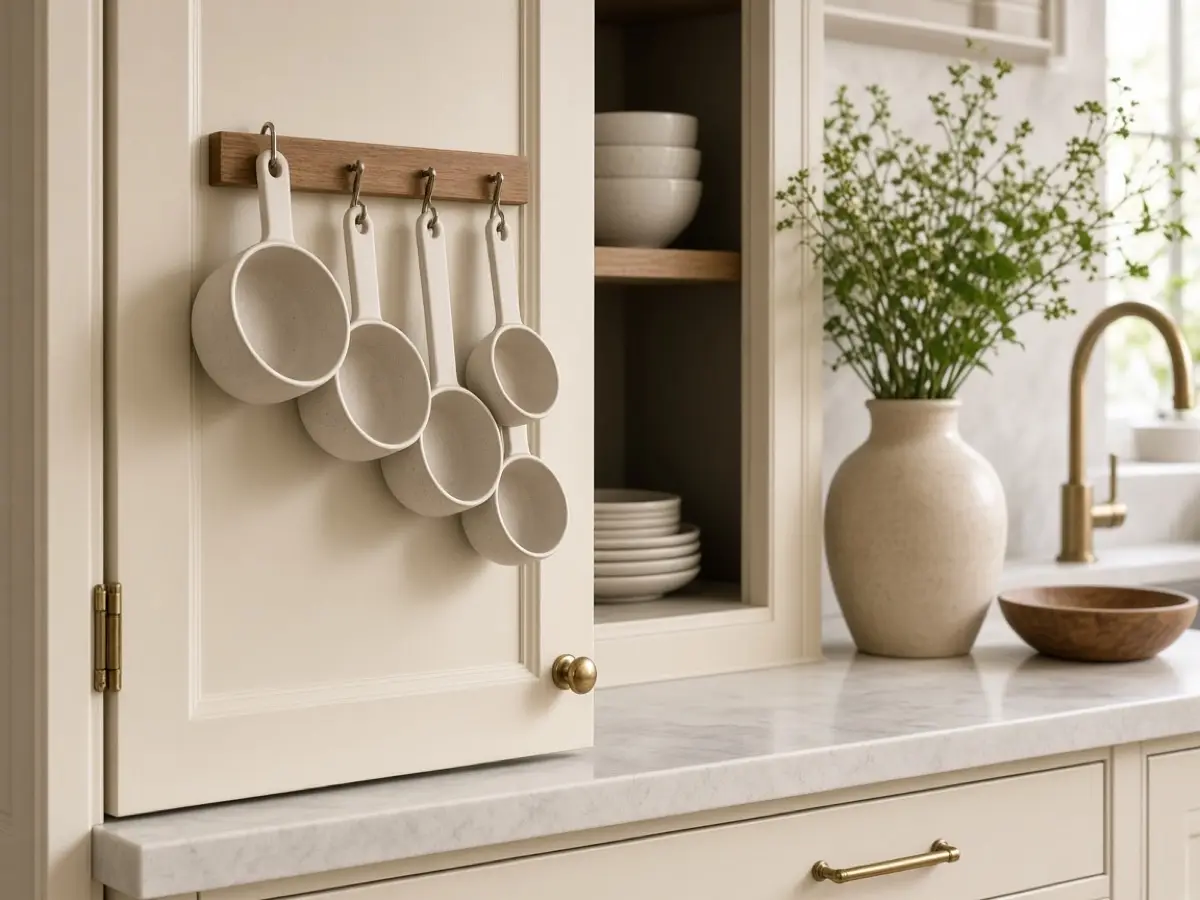
A door can hold measuring cups, a few lids, or foil, if the rack is thinner than the door’s swing. Close the door with the rack loaded before you screw it in. If it hits a shelf, move the shelf up one set of holes, about an inch, or pick a shallower rack.
Do not put heavy oils on a door. The hinge was not built for a full bottle, and a drip runs down the paint. Light, flat things only. One door, not every door, or you will stop opening them. Two screws beat one. A single screw works loose the first time a cup catches.


4. Under the sink, around the pipe
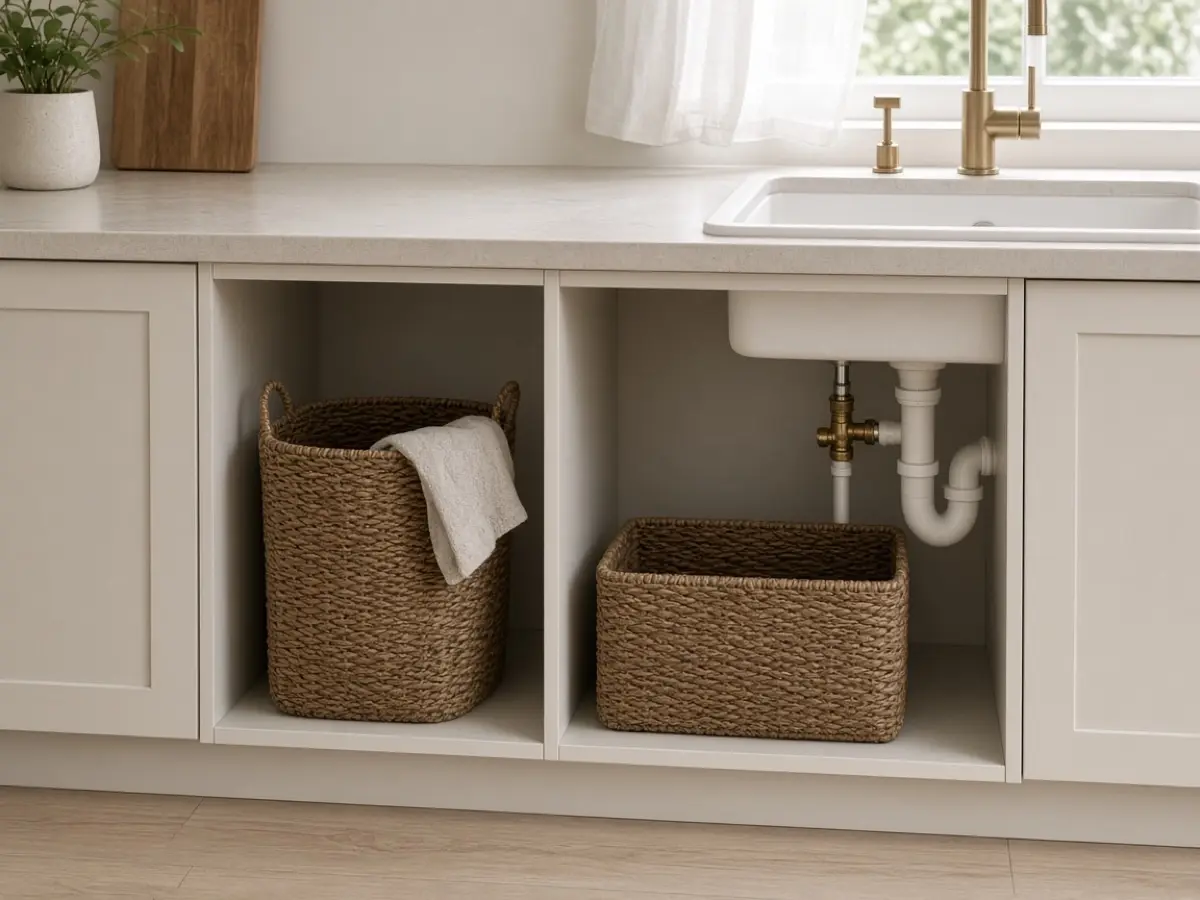
The pipe is the boss. A caddy that ignores it will not let the door close. Measure from the bottom of the pipe to the cabinet floor, and from the pipe to each side wall. Two bins, one on each side, beat one bin you have to tip.
Cleaning bottles go on the side you can reach without kneeling into the trap. Sponges and bags go on the other. Leave the trap itself bare so a leak is visible. A pretty bin over a drip is how a cabinet floor warps. Set a low tray under the bottles so a spill stays in the bin.


5. One row on top of the fridge
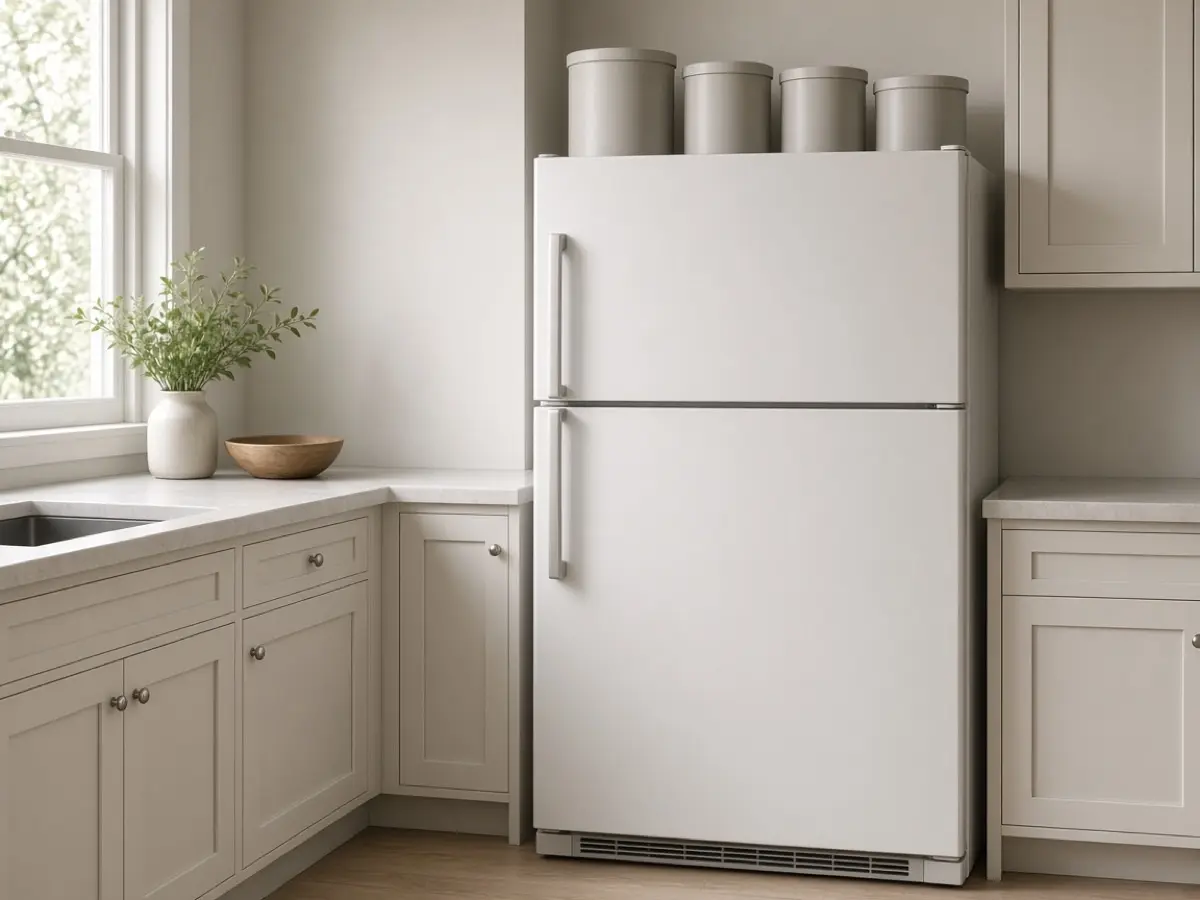
The top of the fridge is storage, not a display. One row of bins, pushed to the back, for things you use monthly: the cake stand, extra paper towels, the big bowl. If you need a stool every time, the item is in the wrong place. Daily food does not live up there.
Leave the front edge empty so the bins do not show from the doorway. Dust collects fast. A lid on each bin matters more than a label you cannot read from the floor. Wipe the top before you set anything down. It is greasy. If you share the kitchen, say the one-row rule out loud. A second row shows up the week you travel.


6. Hooks inside a tall cabinet
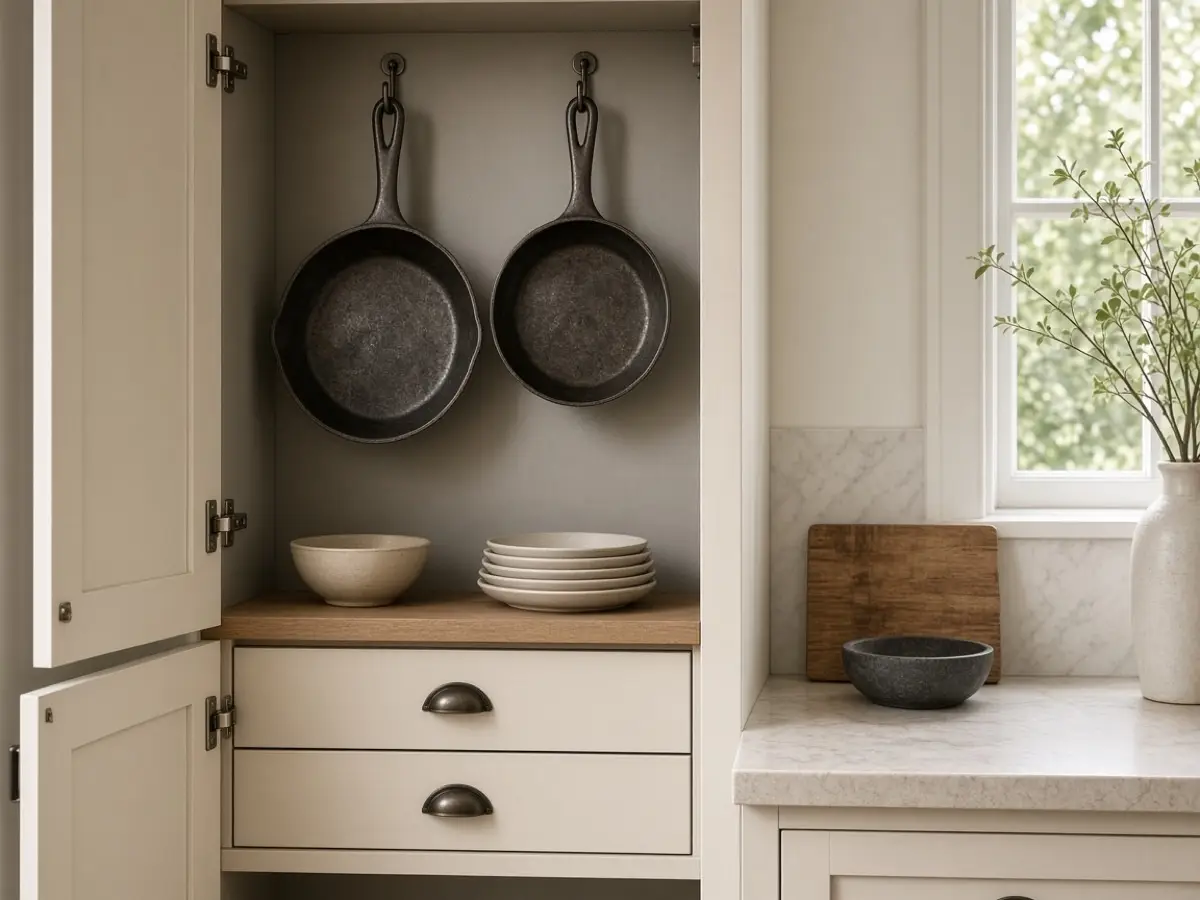
A rail on the wall was covered in the kitchen wall post. Inside a tall cabinet, a short hook rail holds the two skillets you reach for, without taking the backsplash. Screw into the side panel only if it is solid wood or plywood. On a thin particle side, use an over-the-door style that needs no screw.
Leave the shelf below clear of the pan handles. A hook that lets a skillet knock the plates is not a home. Two pans, not eight. The rest stay in the deep drawer. Stick a felt dot where a handle might tap the shelf. That tap is why people abandon the hook.


7. The dead corner that can turn
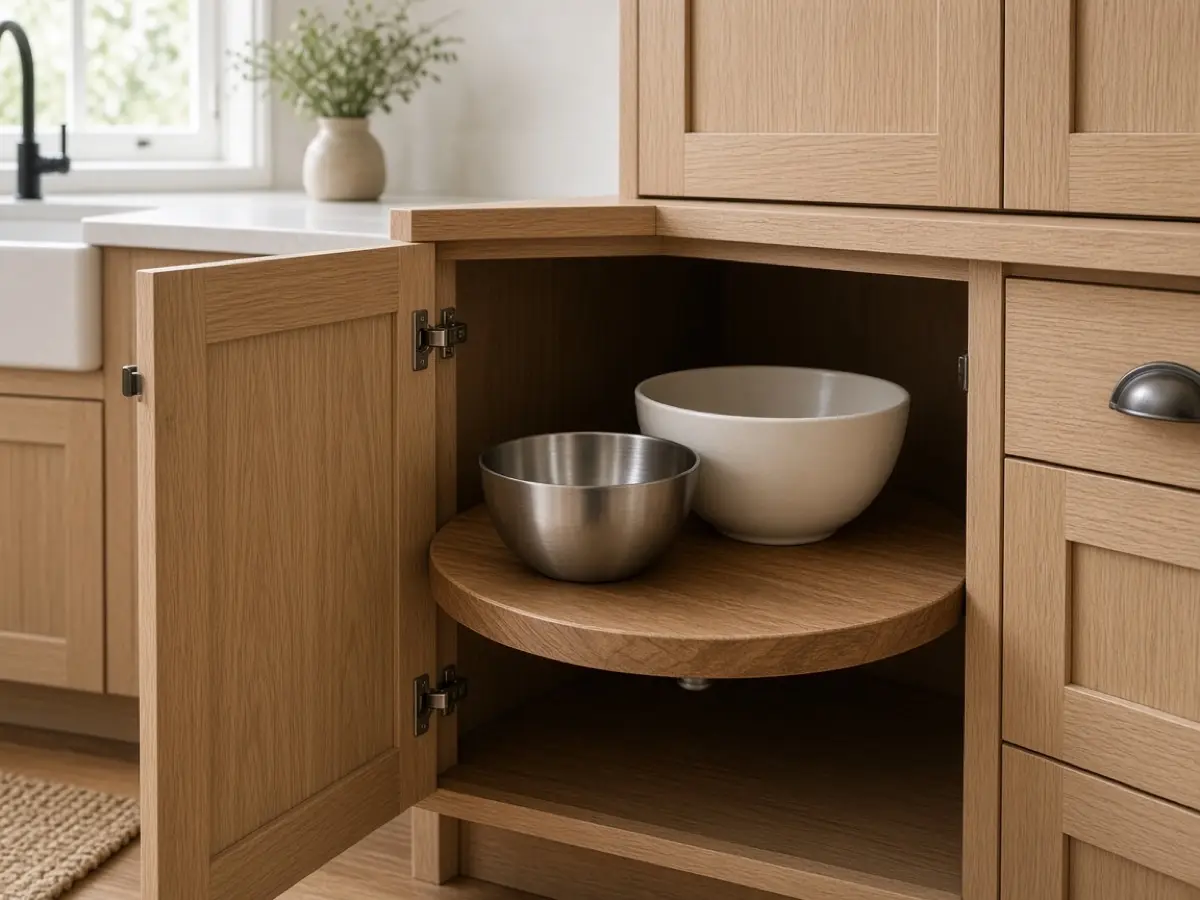
A corner cabinet wastes a third of its depth if you have to kneel and reach past a stack. A turntable only helps if it actually turns with the pots on it. Test the spin before you load it. If the pole hits the door, the door hinge is the problem, not the susan.
Put light bowls on the turntable. Put the heavy Dutch oven in a straight cabinet you can lift from. A corner is a bad place for the heaviest pot in the house. You will leave it on the stove, and the corner will fill with lids.


8. Spices in a drawer, not a tower
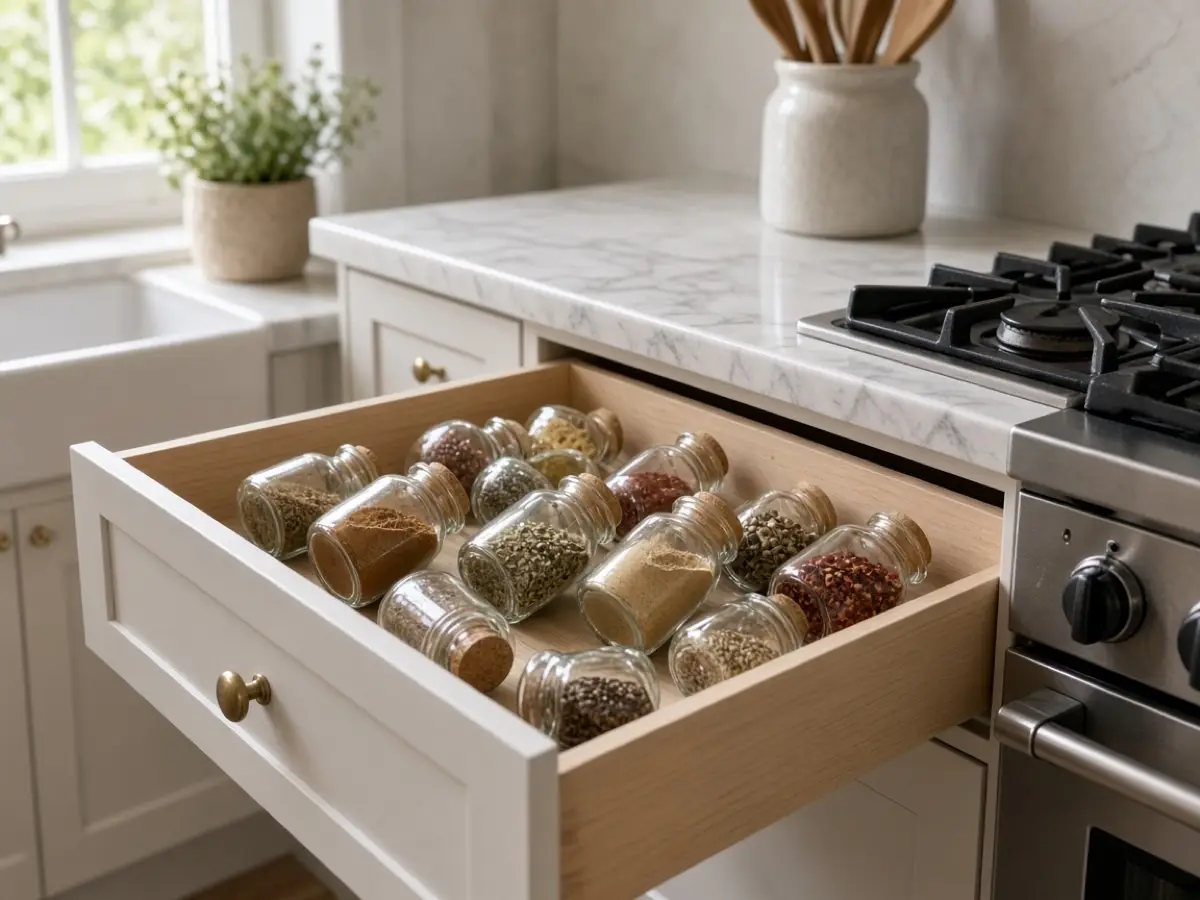
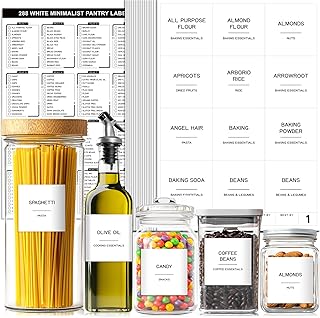
A tower on the counter blocks the board. A drawer by the stove, with jars lying so the names face up, holds more and costs you no prep space. If you have no spare drawer, use a shallow tray on one shelf, one layer deep. You should see every jar without lifting one.
Keep only what you have used this year. The rest is a smell, not a tool. Match the jar height to the drawer. A 4-inch jar in a 3-inch drawer is how the front pops off. Write the name on the lid so a jar lying down is still readable.


9. Lids in their own slot
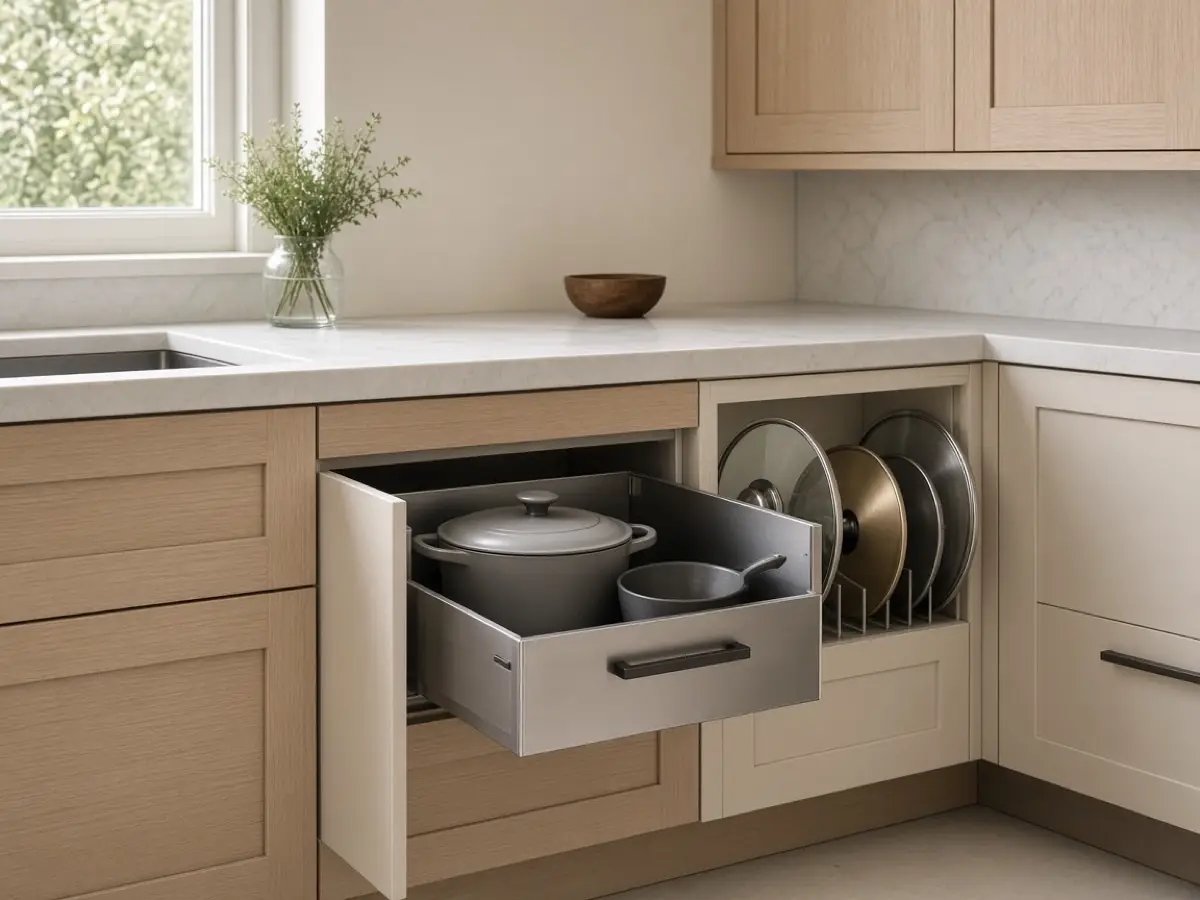
Lids slide under pots and vanish. Give them a vertical file next to the pot drawer, or a rack on the door of that same cabinet. The lid should live within one reach of its pot. A lid rack in another room is a story you will not keep.
If a lid has no pot, it leaves. Pots you use get one lid each. The extras are why the drawer will not close. This is the same rule as the daily tools: one home, and a reason. Measure the tallest lid first. A 12-inch lid will not stand in a 10-inch file.


10. Heavy things on the pantry floor
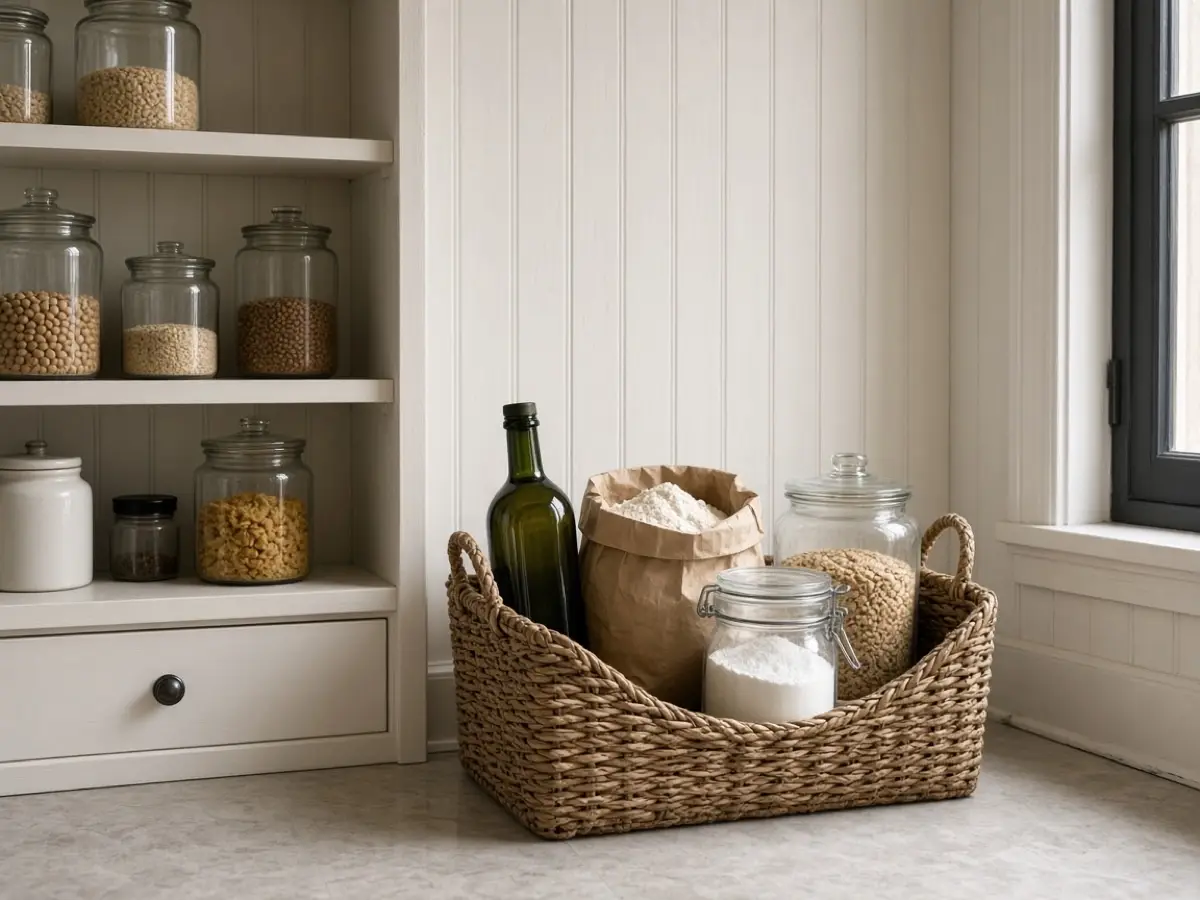
Cans, oil, and flour belong low, where a fall does not break a shelf pin. A bin on the pantry floor, or on the bottom shelf, keeps them from becoming a pile you kick. Put the bin on a felt slider if the floor is the only option, so you can pull it out without scraping.
Do not stack cans more than two high inside the bin. You will not restack them. The tea station can keep its own tin on the counter. Bulk rice stays down here, in a jar you can lift with one hand. Keep a scoop in the flour. Hunting for a cup is how the bag lands on the counter.


11. The gap beside the fridge
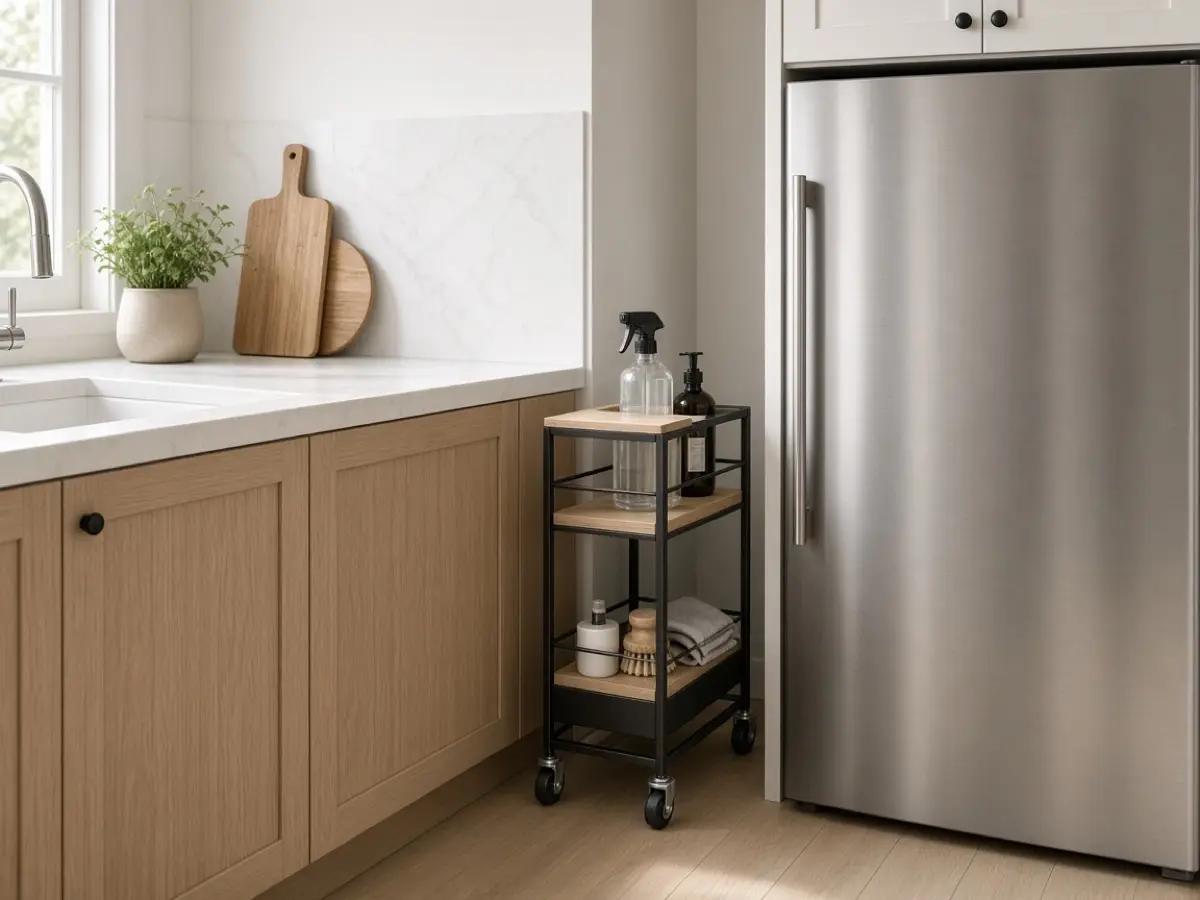
Measure the gap. Under 2 inches, leave it. It is a dust slot, and a pull-out will scratch the wall. At 3 inches or more, a slim rolling caddy can hold foil, bags, and the cutting board you do not want in a cabinet. It has to clear the door swing. Open the fridge with the caddy in place before you commit.
Do not store raw food there. It is not cold, and it is not a pantry. It is a narrow closet for flat, dry things. If the caddy sticks, the gap is too tight. Take it out. A felt strip on the wall side keeps bare metal from marking the paint.


12. One tray for what must stay out
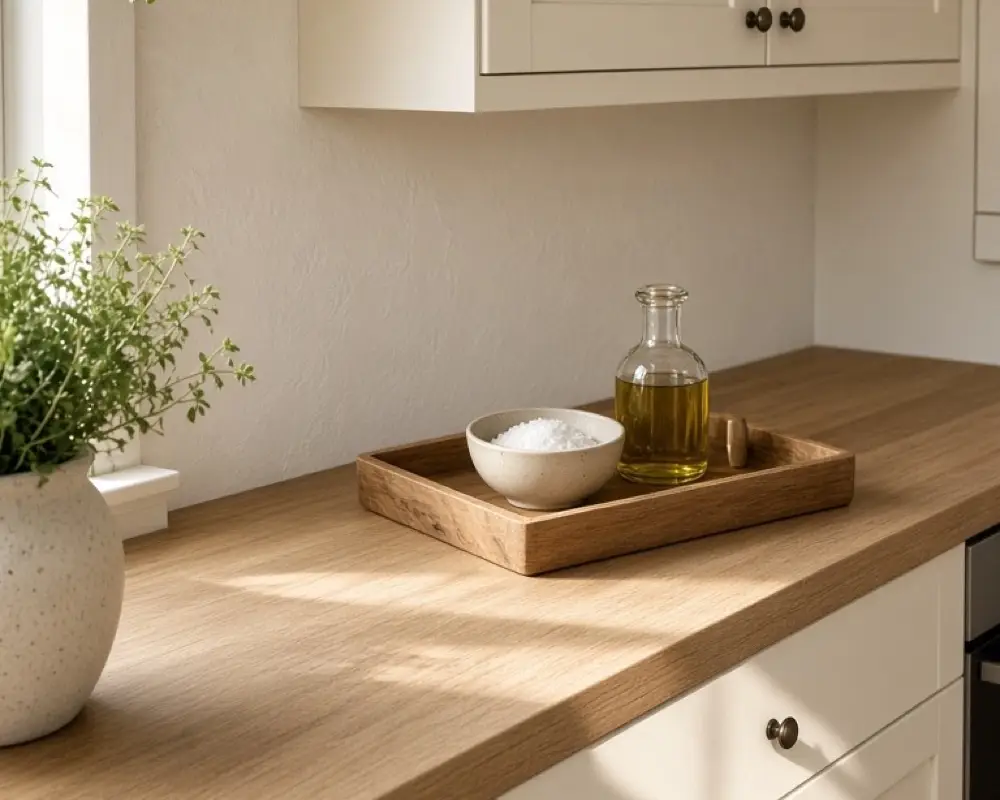
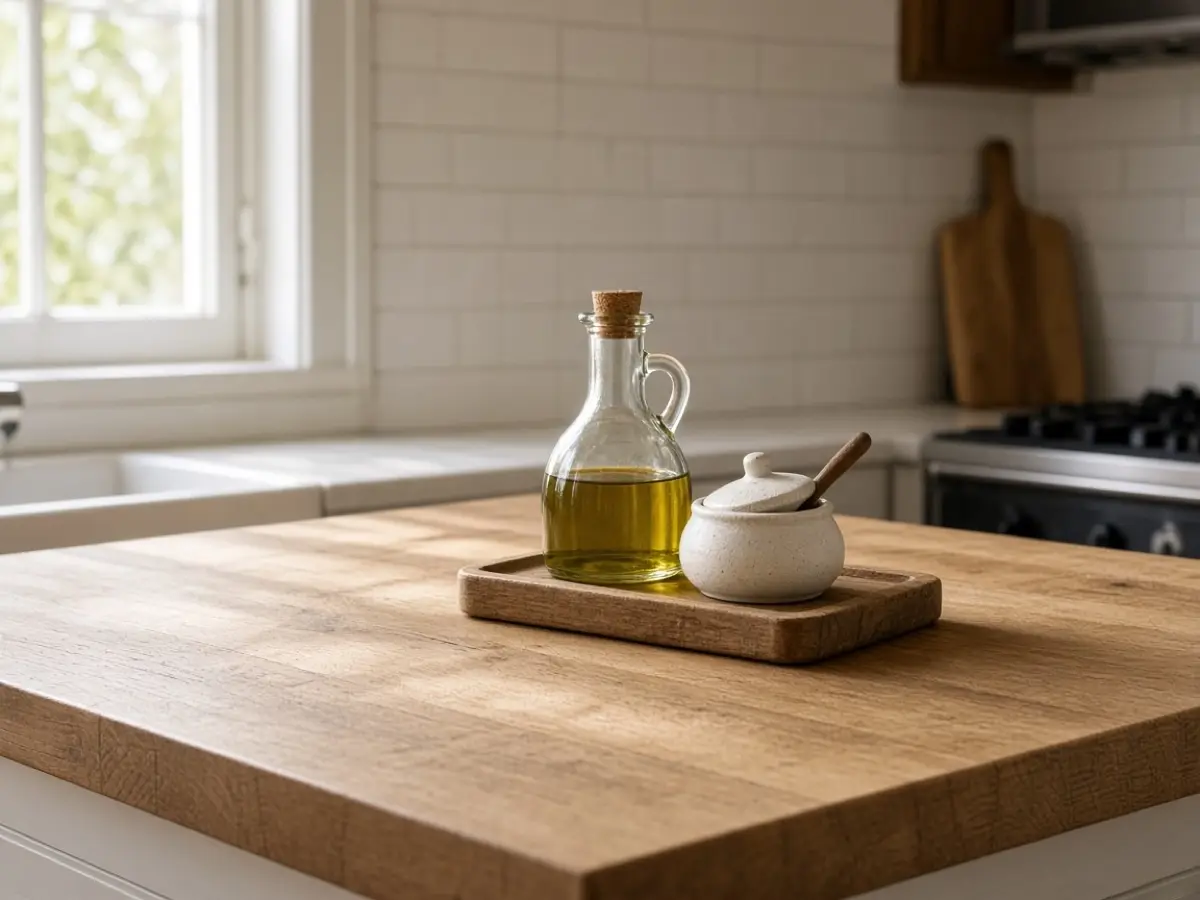
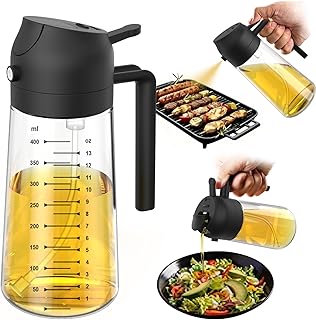
Some things will not go in a drawer: the salt you pinch, the oil you pour, the board if you have no slot. They get one tray, pushed to the back of the counter, not a scatter. The coffee corner already claimed its own inches. This tray is for cooking, and it does not grow.
If the tray is full, something on it is not daily. Move that thing the same day. A tray is a boundary. Without the boundary, the counter becomes the drawer you were trying to build. Wipe the tray when you wipe the stove. Oil mist makes wood sticky, and sticky trays collect spoons.


13. The pantry door, lightly
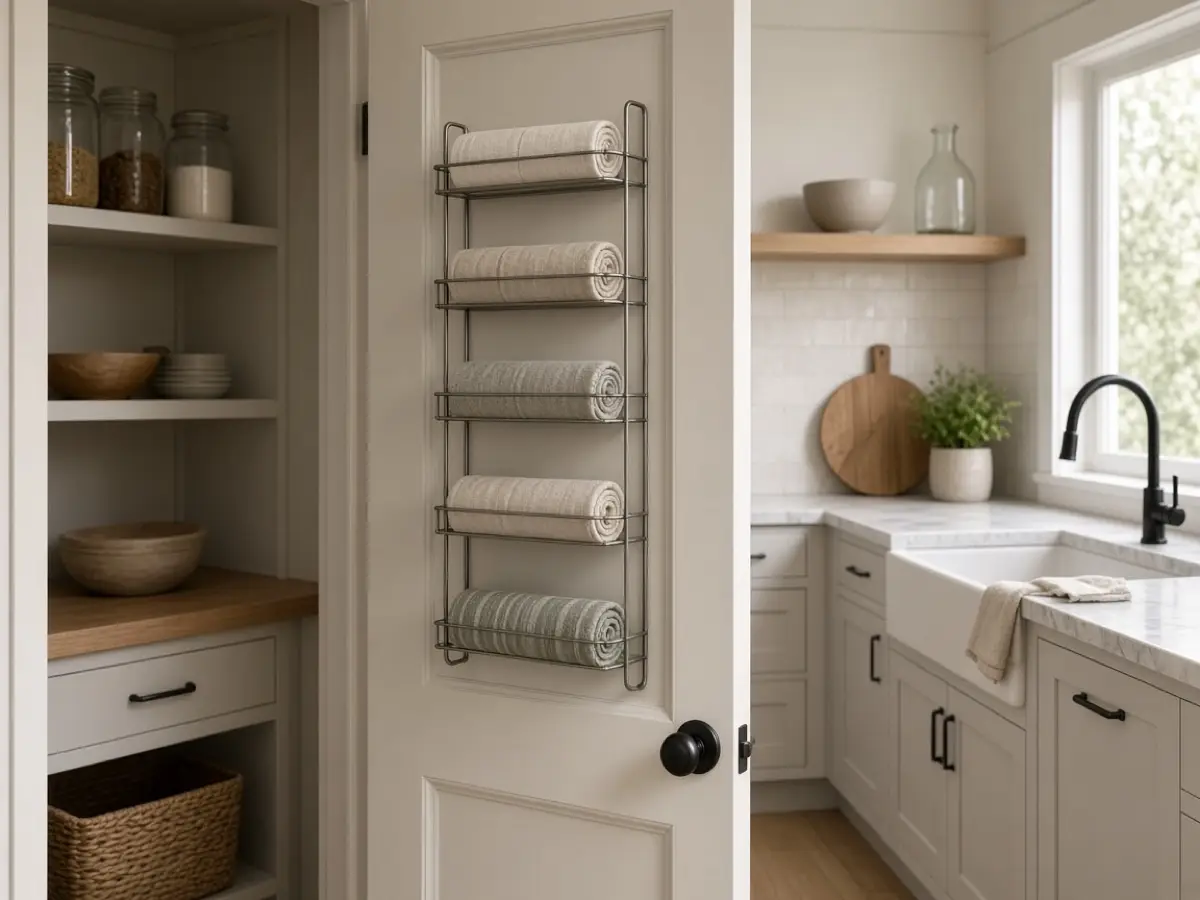
An over-door rack on the pantry holds wraps, bags, and a notebook, if the door still latches. Load it, then shut the door. If the latch misses, the rack is too deep. Take a row off. A door that will not close is not storage. It is a panel you prop.
Skip the rack if the pantry door is hollow and already bowed. The hinge will sag in a month. Use the inside hooks from idea 6 instead, on a cabinet that is solid. Hang the rack on the inside face. An outside rack blocks the switch in a lot of galley kitchens.


14. One shelf you leave empty
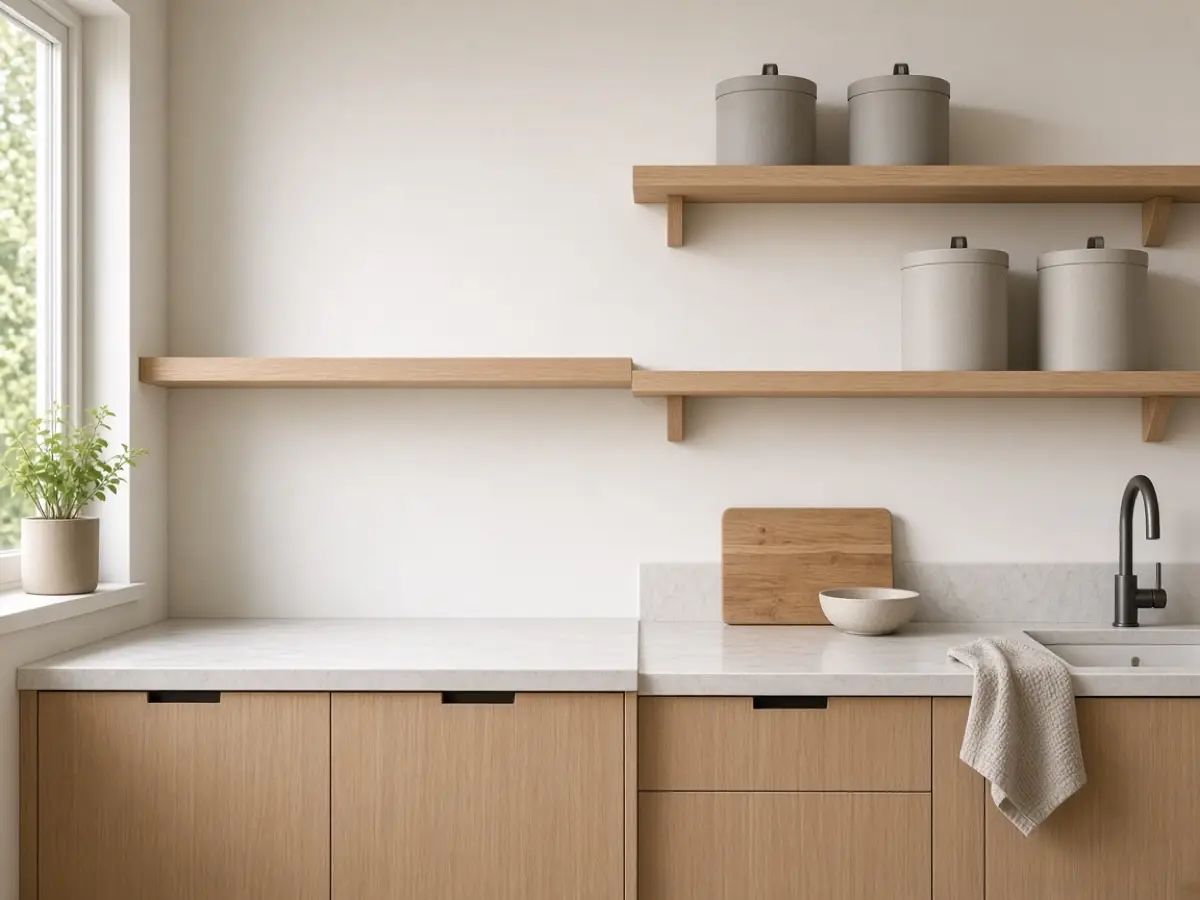
The last place is a shelf with nothing on it. When a grocery bag comes in, that shelf takes the overflow for a day. Then you put things into the homes above. If every shelf is packed, the bag stays on the counter, and the counter is where you needed to chop.
Pick the shelf at eye height. An empty shelf you cannot see will be filled by the next person who wants a home for a juicer. The empty is the system. Guard it the way you guard the prep run. If someone fills it, clear it the same night. A system that waits for Saturday does not last.


Tips Before You Start
- Measure the drawer box and the door swing before you buy a rack.
- One home per tool. A second home is where things get lost.
- Leave the pipe under the sink visible.
- Keep daily food off the top of the fridge.
- The counter tray does not get to grow.
- Leave one shelf empty on purpose.
- If a rack stops a door from latching, it is the wrong rack.
FAQ
Where do you put things in a small kitchen with no pantry?
Use the hip-height drawer, the inside of one cabinet door, a bin on the floor of the tallest cabinet, and one row on the fridge. Those four places replace a shallow pantry if you stop storing what you do not use.
What should go in the drawer by the stove?
The tools you touch every time you cook: spatula, tongs, spoon, peeler, shears. Spices can take the next drawer if the heights match. Candles and gadgets do not.
Is storage above the fridge worth it?
Yes, for one row of lidded bins you open monthly. It is a poor place for food you need at dinner, because you will not climb for it and the counter will fill instead.
How do I stop the counter from filling back up?
Give the leftovers a tray with a limit, and keep one shelf empty for the day a bag comes in. When the tray is full, something leaves the same day.
A small kitchen stays usable when each thing has a measured home and the prep run stays bare. Start with the drawer by the stove and the empty shelf. The racks can wait until those two are true.